
Knowing when to switch from a rollator to a wheelchair depends on your walking ability and comfort. Use a rollator if you can walk but need support and want to stay active, but switch to a wheelchair when walking becomes too tiring or unsafe. Moving back to a rollator is possible when strength and confidence improve. Choosing the right device at the right time can save you money and boost your independence—there’s more to contemplate if you keep exploring.

Get smart everyday buys delivered free with Prime
- Fast, free delivery on millions of items
- Prime Video, Amazon Music and more included
- Member-only deals all year
Key Takeaways
- Switch from a rollator to a wheelchair when walking becomes too tiring or unsafe to prevent falls and ensure safety.
- Transition to a wheelchair if physical strength diminishes or mobility declines beyond support capacity.
- Consider moving from a wheelchair back to a rollator when walking improves and confidence or endurance increases.
- Use functional assessment and healthcare guidance to determine the appropriate device based on current mobility levels.
- Proper timing in switching devices avoids unnecessary costs, promotes independence, and enhances overall comfort.
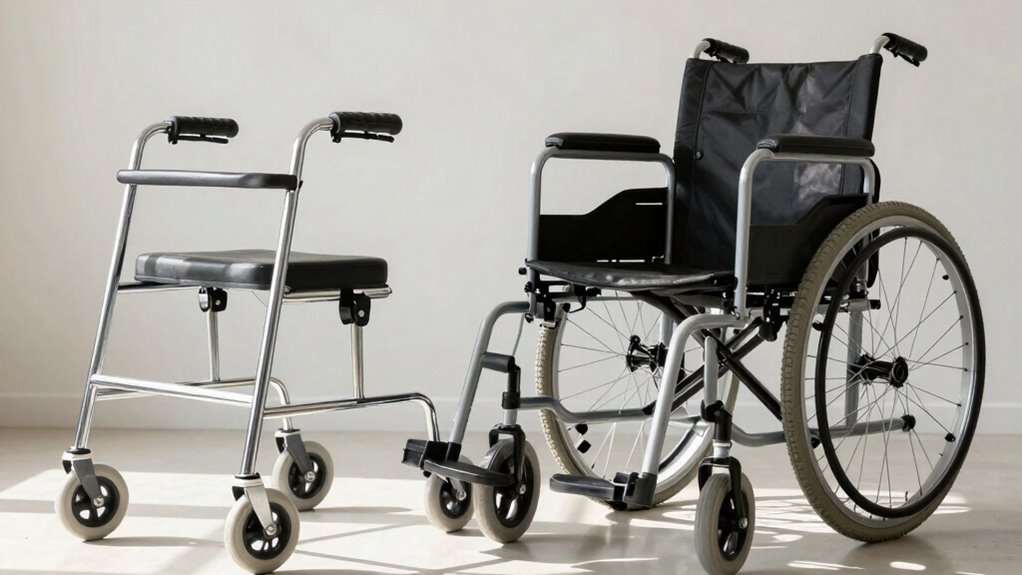
When choosing mobility aids, understanding the differences between a rollator and a wheelchair is essential to finding the best fit for your needs. Both devices serve to enhance mobility, but they come with distinct features tailored to different situations. Recognizing these differences can help you make informed decisions that improve your quality of life and prevent unnecessary expenses.
Understanding the key differences between rollators and wheelchairs helps you choose the right mobility aid for your needs.
A rollator is a walking aid equipped with a frame, four wheels, and a comfortable seat. It’s designed for individuals who can walk but need extra support and stability. The mobility device features typically include hand brakes, adjustable height settings, and storage compartments. These features support user independence by allowing you to walk with confidence and rest when needed, without losing your ability to move freely. If your goal is to maintain as much walking ability as possible, a rollator offers a great balance of support and freedom. It encourages active mobility, enabling you to navigate your environment comfortably and safely, whether outdoors or indoors.
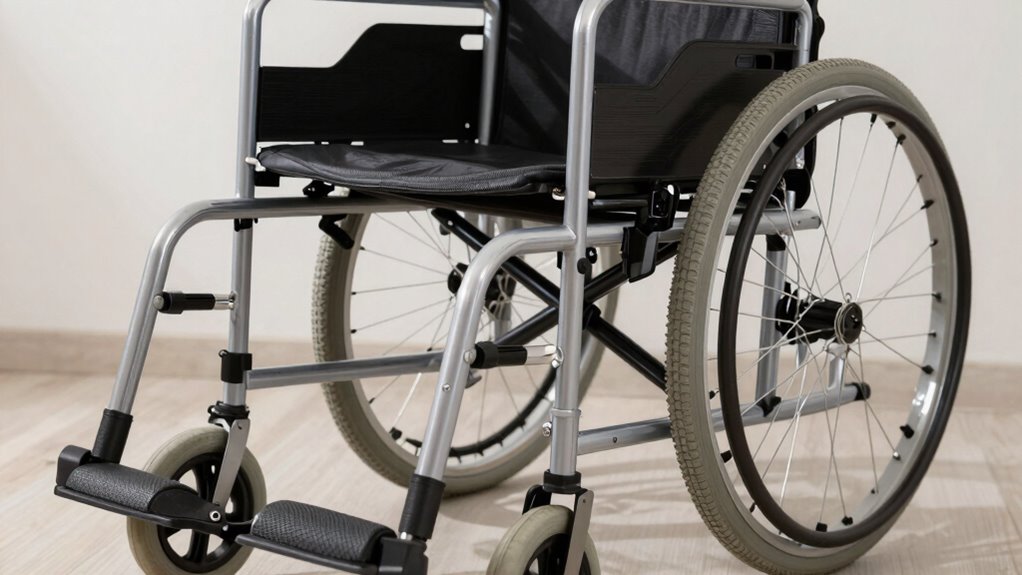
In contrast, a wheelchair is a device intended for those who cannot walk or find walking too exhausting or unsafe. Wheelchairs come in manual and electric models. Manual wheelchairs require you or a caregiver to propel them, while electric models are powered, offering greater independence with less physical effort. The mobility device features of a wheelchair focus on providing complete mobility, especially for longer distances or when walking isn’t feasible. They offer a stable seat and can be customized with accessories such as cushions, footrests, and adjustable armrests to enhance comfort and support. If your condition limits your ability to walk or causes fatigue, a wheelchair might be the more appropriate choice to maintain your activity level and independence. Additionally, understanding mobility aid features can help you choose the device that best matches your lifestyle and health needs.
Knowing when to switch from one device to another depends on your changing mobility needs. If you find walking increasingly difficult or tiring, and a rollator no longer provides sufficient support, it might be time to transition to a wheelchair. Conversely, if you regain strength or confidence, and your primary goal is to stay active and independent, a rollator might be a better option. The process of assessing your needs can also be supported by proper mobility assessment, which is crucial to making the right choice. The key is to assess your current mobility device features against your lifestyle requirements and physical capabilities.
Making the right choice can save you money and frustration in the long run. Investing in the device that best supports your independence now prevents premature upgrades or multiple purchases. Listening to your body and consulting with your healthcare provider ensures you select a mobility aid that genuinely enhances your daily living, keeping you safe, comfortable, and active.
As an affiliate, we earn on qualifying purchases.
Frequently Asked Questions
Can I Use a Rollator Outdoors on Uneven Terrain?
You can use a rollator outdoors on uneven terrain, but it depends on its terrain suitability. Look for models with sturdy, wide wheels and good suspension for better outdoor safety. Avoid rough, rocky, or muddy surfaces that could make maneuvering difficult or unsafe. Always assess the terrain before heading out, and consider a wheelchair if the terrain is too challenging, ensuring your safety and comfort.
Are Wheelchairs Suitable for Long-Distance Walking?
Wheelchairs aren’t ideal for long-distance walking because they’re designed for indoor mobility and short to moderate distances. They provide support but lack the flexibility needed for extended outdoor journeys. If you want something for longer outdoor walks, consider a rollator with folding features, which offers better portability and ease of use on uneven terrain. For long-distance outdoor walking, a more suitable mobility aid like a power wheelchair might be necessary.
How Do I Determine if I Need a Transfer or Full Wheelchair?
You should consider a transfer or full wheelchair based on your transfer assessment and wheelchair suitability. If you can comfortably and safely transfer with minimal assistance, a transfer wheelchair might suffice. However, if you struggle with transfers or need more support, a full wheelchair is likely necessary. Consult with a healthcare professional to evaluate your mobility levels and verify you get the right equipment for your safety and independence.
What Maintenance Is Required for Rollators and Wheelchairs?
Ever wonder what maintenance your rollator or wheelchair needs? Regular cleaning routines are essential—wipe down frames, wheels, and handles to prevent dirt buildup. Check for loose bolts or worn-out parts regularly. Is spare parts availability a concern? Make certain replacements are accessible for your model. Keeping your mobility device in top shape ensures safety and longevity, saving you money and hassle in the long run.
Are There Weight Limits for Different Mobility Aids?
Yes, there are weight restrictions for mobility aids. Each device has safety guidelines that specify maximum weight limits to guarantee safety and durability. For example, rollators typically support up to 250 pounds, while wheelchairs can vary from 250 to 350 pounds or more. Always check the manufacturer’s specifications for weight restrictions before using a mobility aid, as exceeding these limits can compromise safety and lead to equipment failure.
As an affiliate, we earn on qualifying purchases.
Conclusion
Choosing between a rollator and a wheelchair isn’t just about mobility—it’s about your independence and safety. A rollator offers freedom to walk, breathe, and explore, like a trusted companion guiding you forward. A wheelchair, on the other hand, provides unwavering support when walking becomes impossible, like a sturdy anchor. Knowing when to switch can save you from strain or injury. Make the right choice now, and enjoy the confidence that comes with it.
As an affiliate, we earn on qualifying purchases.
walkers with storage compartments
As an affiliate, we earn on qualifying purchases.
As an affiliate, we earn on qualifying purchases.
Fall Picks
fall essentials
As an affiliate, we earn on qualifying purchases.