
When choosing between vehicle and home wheelchair ramps, you’ll find trade-offs in durability, portability, and cost. Vehicle ramps are lightweight, portable, and affordable but tend to be less durable and weather-sensitive, making them better for short-term or occasional use. Home ramps are built for longevity and stability, often costing more upfront but lasting decades with minimal maintenance. To uncover the hidden factors affecting safety and long-term value, keep exploring what each option really offers.

Get smart everyday buys delivered free — and shop member deals
- Fast, free delivery on millions of items
- Access to Prime Big Deal Days deals on October 6–7
- Prime Video, Amazon Music and more included
Key Takeaways
- Vehicle ramps prioritize portability and lightweight materials like aluminum, while home ramps focus on durability and stability with steel or wood.
- Cost differences are significant: vehicle ramps are cheaper upfront but less durable; home ramps require higher initial investment for longevity.
- Material choices impact weather resistance: steel and aluminum perform better outdoors; wood needs regular maintenance.
- Vehicle ramps are designed for frequent portable use; home ramps are semi-permanent, emphasizing long-term stability.
- Safety certifications and testing ensure reliability, especially critical for outdoor or high-use environments.
When choosing between vehicle and home wheelchair ramps, understanding their distinct features and functions is essential to meeting your mobility needs. Both types serve the same fundamental purpose—providing safe, easy access—but they differ notably in design, materials, and practical application. Vehicle ramps are built to be portable and lightweight, often made from aluminum or fiberglass, which balances durability with ease of handling. Aluminum, in particular, is popular because of its corrosion resistance and strength-to-weight ratio. Fiberglass ramps offer similar benefits but tend to be more fragile and less durable over time. In contrast, home wheelchair ramps are typically larger and designed for permanent or semi-permanent installation. They are usually constructed from steel, aluminum, or pressure-treated wood, with steel offering the highest materials durability and longevity, especially in outdoor environments. When considering materials, you should weigh durability against weight and ease of installation. Steel ramps, while heavy, provide exceptional strength and resistance to weather elements, making them ideal for long-term outdoor use. Aluminum options are lighter but still resilient, although they can be more prone to dents or scratches. Wooden ramps are often the most affordable and easiest to customize, but they require regular maintenance to prevent rot and decay. Additionally, material durability plays a significant role in the longevity and performance of the ramps, especially when exposed to varying weather conditions. It is also important to consider how testing and certification can ensure the safety and reliability of your chosen ramp. For outdoor installations, weather resistance is an essential factor that can influence the choice of material. Cost comparison is another vital factor. Vehicle ramps tend to be less expensive upfront, generally ranging from $100 to $300, depending on size and material quality. Their portability means you can use them for multiple vehicles or locations, adding to their value. However, if you need a ramp for permanent access at home, the initial cost of a custom-built or professionally installed home ramp can be markedly higher—sometimes from $1,000 to over $3,000, depending on length, material, and complexity. While the upfront investment is greater, home ramps are designed for durability and long-term use, often lasting for decades with minimal maintenance. Portable vehicle ramps, on the other hand, need to be sturdy enough for repeated use but are generally not built for continuous outdoor exposure, which can impact their longevity and overall value. When weighing your options, consider how frequently you’ll use the ramp, the environment it will be exposed to, and your budget constraints. Both types serve essential functions, but their design, materials durability, and cost structure reflect their specific roles—portable convenience versus permanent stability. Incorporating durability testing into your selection process can help ensure the ramp you choose will meet your needs over time.
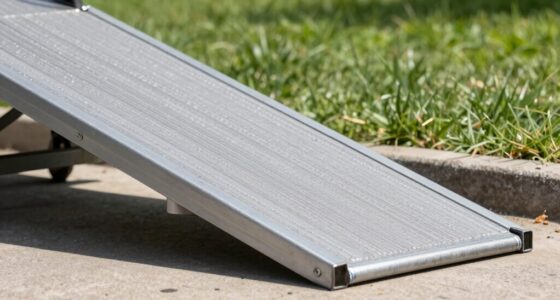
aluminum wheelchair vehicle ramp
As an affiliate, we earn on qualifying purchases.
As an affiliate, we earn on qualifying purchases.
Frequently Asked Questions
How Do Weather Conditions Affect Ramp Safety?
Weather conditions can substantially impact ramp safety by creating weather hazards like rain, snow, or ice. These conditions make surfaces slippery, so you need to check slip resistance regularly and use anti-slip mats or treatments when necessary. Always exercise caution during adverse weather, slow down, and guarantee your ramp remains secure and free of water or ice to prevent accidents and stay safe.
Are There Legal Regulations for Portable Ramps?
They say “Better safe than sorry,” and that’s especially true for portable ramps. Yes, there are legal regulations you must adhere to, including legal compliance and permit requirements. Many areas have specific rules for portable wheelchair ramps to ensure safety and accessibility. Before using or installing a ramp, check local regulations to avoid fines or safety issues. Staying informed helps you navigate legalities and keeps everyone safe.
How Do Ramps Impact Property Value?
Ramps can positively impact your property value by serving as a property enhancement and accessibility improvement. When you install a wheelchair ramp, you make your home more welcoming and functional for everyone, which appeals to a broader range of buyers. This accessibility upgrade can boost curb appeal and demonstrate thoughtful property management, potentially increasing your home’s market value and making it more attractive to future homeowners seeking accessible living spaces.
Can Ramps Be Easily Relocated Between Vehicles and Homes?
Think of ramps like versatile tools—while some are designed for easy movement, others are more fixed. Ramps can often be relocated between vehicles and homes, but vehicle compatibility and home installation requirements vary. You might find a foldable, lightweight ramp that works seamlessly in both settings, yet heavier, custom-built ramps could need professional adjustments. So, choosing adaptable ramps depends on your specific needs and the compatibility of your vehicle and home setup.
What Maintenance Is Required for Long-Term Durability?
To guarantee long-term durability, you should regularly inspect your ramp for signs of wear or damage. Conduct durability assessments to identify weak spots early. Keep the material’s longevity in mind by cleaning the ramp with appropriate products and avoiding harsh chemicals. Lubricate moving parts if applicable, and store the ramp properly when not in use. These steps help maintain its strength, safety, and functionality over time.
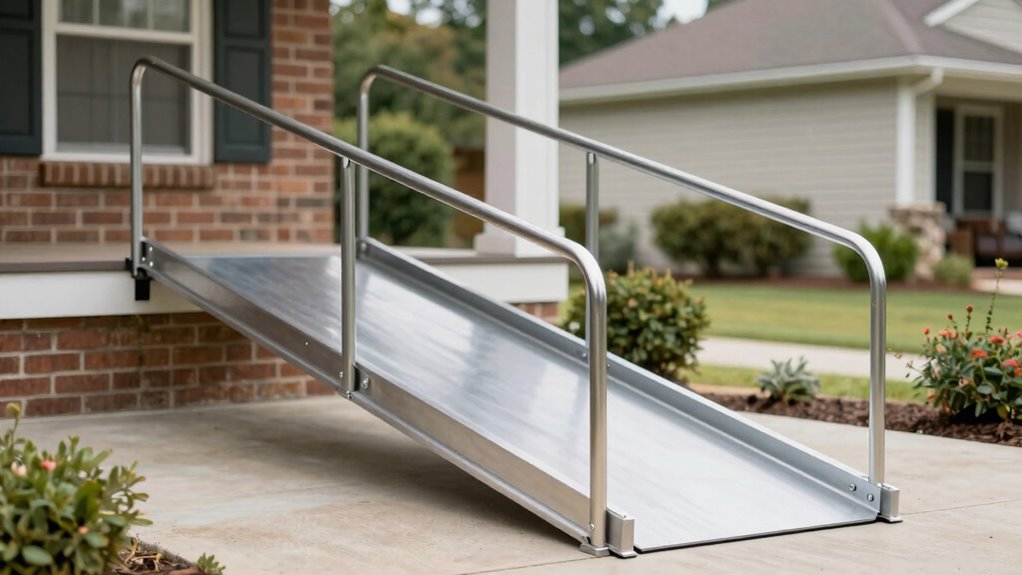
steel outdoor home wheelchair ramp
As an affiliate, we earn on qualifying purchases.
As an affiliate, we earn on qualifying purchases.
Conclusion
Choosing between vehicle and home wheelchair ramps isn’t just a simple decision—it’s like steering through a labyrinth of hidden trade-offs that can make or break your independence. While vehicle ramps offer unmatched mobility, home ramps provide stability and comfort, each with their own sacrifices. Remember, your choice shapes your daily life, so weigh your options carefully. Ultimately, this decision isn’t just about ramps; it’s about reclaiming your freedom in a world that often feels like it’s built against you.
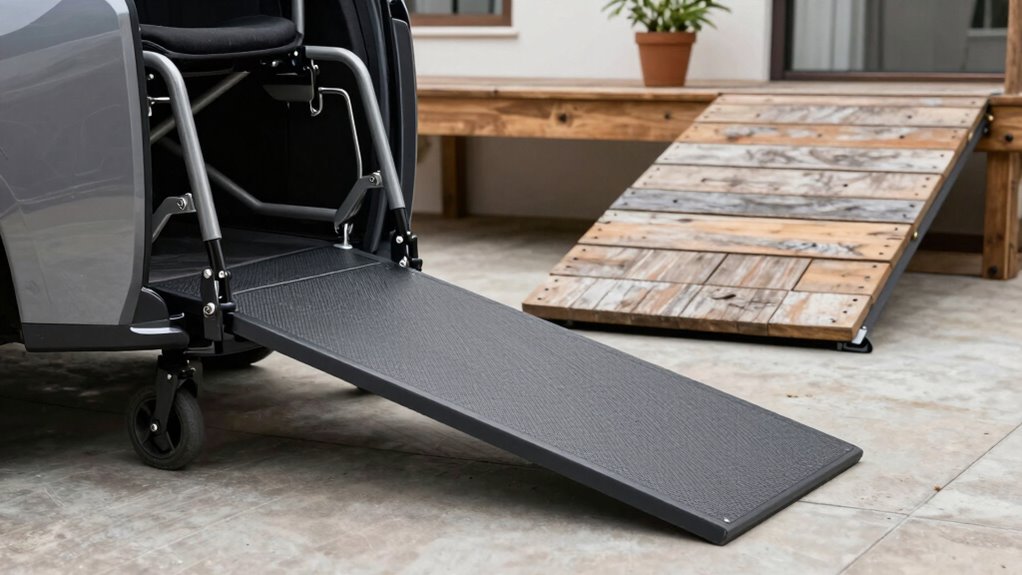
portable fiberglass wheelchair ramp
As an affiliate, we earn on qualifying purchases.
As an affiliate, we earn on qualifying purchases.
As an affiliate, we earn on qualifying purchases.
Halloween Picks
halloween
As an affiliate, we earn on qualifying purchases.