📊 Full opportunity report: The Memory Squeeze: Why Your RAM Bill Doubled on ThorstenMeyerAI.com — validation score, market gap, and execution plan.

Get smart everyday buys delivered free with Prime
- Fast, free delivery on millions of items
- Prime Video, Amazon Music and more included
- Member-only deals all year
TL;DR
Global DRAM prices have doubled or more in early 2026 due to a strategic shift by chipmakers toward AI hardware. This reallocation has caused shortages and price hikes in consumer RAM, with no immediate relief expected.
DRAM prices have roughly doubled or more in 2026, driven by a strategic shift among the world’s leading memory manufacturers toward AI hardware. This has resulted in a sharp increase in consumer RAM costs, affecting PC builders and consumers worldwide. For more details on the supply chain issues, see Apple Wants Blacklisted Chinese RAM — and That Tells You How Bad the Squeeze Got. The change is not temporary; it reflects a fundamental reallocation of manufacturing capacity, similar to the strategic shifts seen in other tech sectors like Apple’s efforts to secure supply chains.
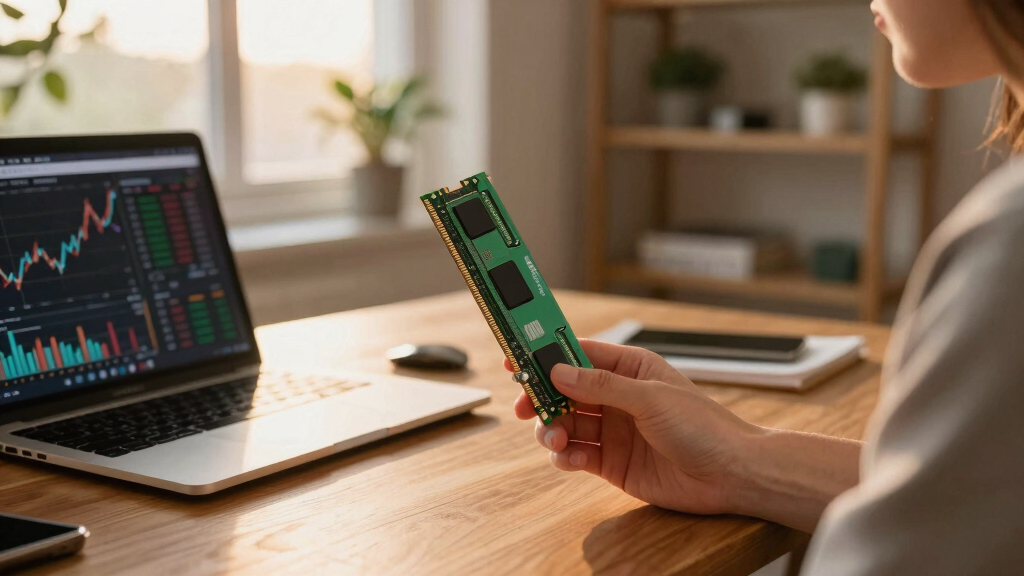
Over the past year, 32GB DDR5 kits that once cost between $80 and $120 now routinely sell for over $375. Similarly, 64GB kits, previously priced around $150 to $200, now often exceed $600. According to data from Tom’s Hardware, DRAM prices have surged approximately 90% in the first quarter of 2026 alone. This increase has made memory the most expensive component in many PC builds, with HP reporting that memory now accounts for about 35% of total build costs, up from 15-18% earlier in the year.
The core reason for this surge is a deliberate shift by major manufacturers—Samsung, SK Hynix, and Micron—toward producing High Bandwidth Memory (HBM) for AI applications. HBM commands significantly higher prices, with modules selling for $60 to $100 each, compared to $5 to $10 for standard DDR5. This shift is driven by economic incentives: HBM yields three to four times the revenue per wafer, despite being much less wafer-efficient, consuming more space and yield resources.
As a result, around 23% of total DRAM wafer output is now dedicated to HBM, up from 19% last year, with AI expected to absorb about a fifth of all DRAM capacity in 2026. Unlike past shortages that eased with increased capacity, this one is sustained by a strategic choice to prioritize high-margin, less scalable products, making the shortage more persistent. For a deeper look into how companies are managing component shortages, see this analysis of supply chain strategies.
Why your RAM bill doubled
“Doubled” is the polite version — consumer DRAM is running 3–6× its 2024 lows. The boom-bust cycle that always brought cheap RAM back isn’t coming this time, because the factories that make your RAM now make something far more profitable instead.
HBM
This is the quiet tax on the whole AI era. Relief isn’t forecast before 2028, and even then prices may settle 30–50% above pre-crisis levels. Buy what you genuinely need now; don’t panic-buy capacity you won’t use. You can’t out-wait the fab math — but, as this series will show, you can shrink what you need. Next: HBM Ate the Fab.
Impact of AI-Driven Capacity Shift on Consumers
This capacity reallocation has immediate implications for consumers and PC manufacturers, who face higher costs and shortages of RAM. The trend signals a fundamental change in the memory market, where supply constraints are driven by strategic business decisions rather than supply chain disruptions alone. As a result, the era of cheap RAM is unlikely to return soon, and the industry’s focus on AI hardware will continue to influence prices and availability.
As an affiliate, we earn on qualifying purchases.
Historical Memory Shortages and AI Market Growth
Historically, memory shortages were resolved by expanding manufacturing capacity, which flooded the market and drove prices down. However, the 2026 crisis differs: leading chipmakers are intentionally redirecting wafer capacity toward higher-margin AI memory products, especially HBM, which is less efficient but more profitable. The expansion of new fabs is delayed until 2027–2028, and existing capacity is being managed to sustain high margins rather than increase supply for consumers.
Additionally, the market concentration among Samsung, SK Hynix, and Micron—who control about 95% of DRAM production—raises concerns about market power and potential collusion, although no recent antitrust actions have been filed. Large buyers like hyperscalers have placed open-ended orders or signed multi-year contracts, further limiting supply for consumer markets and exacerbating shortages.
“Memory costs now constitute about 35% of our build materials, nearly doubling from earlier this year.”
— HP investor briefing
As an affiliate, we earn on qualifying purchases.
Unresolved Questions About Market Manipulation and Future Supply
While the primary cause of the price surge is attributed to strategic wafer reallocation, questions remain about the extent of market influence by the dominant firms and whether supply discipline is partly a form of tacit collusion. The precise timeline for new capacity to meet demand and whether prices will stabilize or continue rising are still uncertain, given the industry’s deliberate management of scarcity.
As an affiliate, we earn on qualifying purchases.
Expected Developments in Memory Market and Industry Response
Manufacturers are expected to continue prioritizing high-margin AI memory products through 2026 and into 2027. New fabs are projected to come online around 2027–2028, which may eventually ease shortages. Meanwhile, consumers and PC builders should prepare for sustained high prices, limited supply, and potential further delays or price hikes in upcoming product cycles. Industry analysts will monitor capacity expansion and market behavior to assess when normal pricing might resume.
As an affiliate, we earn on qualifying purchases.
Key Questions
Will RAM prices ever return to previous lows?
Given the current strategic reallocation toward AI hardware, a return to pre-2026 RAM prices appears unlikely in the near term. Prices may stabilize but are expected to remain higher than historical lows until new capacity is fully operational.
What is causing the shortage—supply chain issues or market strategy?
The shortage is primarily driven by a deliberate market strategy to prioritize high-margin AI memory products, rather than supply chain disruptions. Existing capacity is being managed to maximize profits, limiting supply for consumer markets.
How long will the high RAM prices last?
Most industry experts expect significant capacity additions not until 2027–2028, so high prices and shortages are likely to persist through at least the next couple of years.
Are there alternatives for consumers facing high RAM costs?
Consumers can consider purchasing used or older-generation RAM, though availability is limited, or wait until new capacity comes online. DDR4 prices have also risen, reducing the affordability of budget upgrades.
Source: ThorstenMeyerAI.com
Halloween Picks
halloween
As an affiliate, we earn on qualifying purchases.