
TL;DR
BYD Australia has announced a partnership with Smart to reduce the cost of electric vehicles in Australia. This initiative aims to increase EV adoption by making vehicles more accessible. Details on the partnership’s scope and timeline are still emerging.
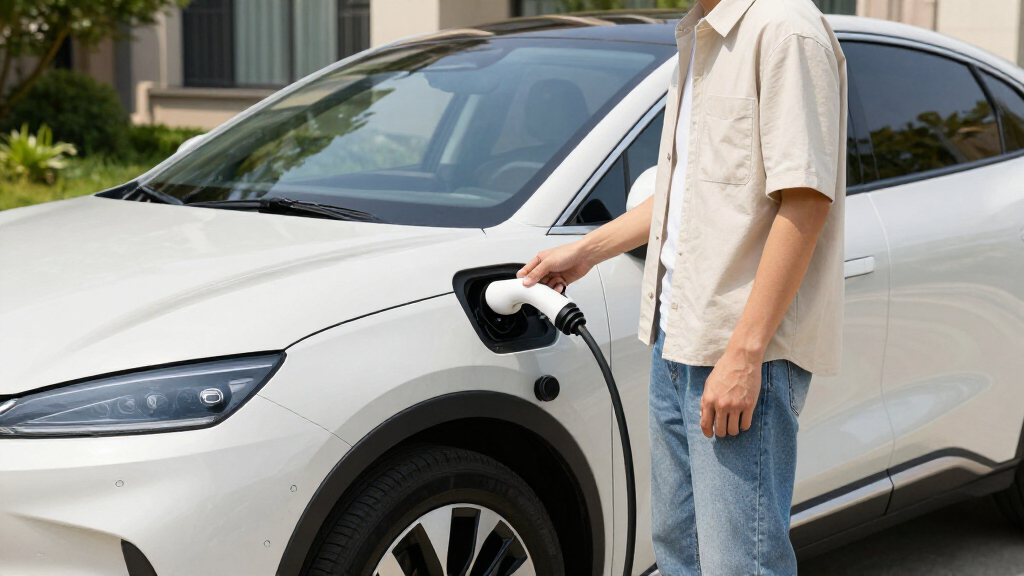
BYD Australia and Smart have announced a partnership aimed at reducing the cost of electric vehicles (EVs) in Australia. This collaboration seeks to make EVs more accessible to Australian consumers, potentially accelerating the country’s shift towards electric mobility. The initiative is part of broader efforts to increase EV adoption in Australia, where government incentives alone have not yet achieved widespread market penetration.

Get smart everyday buys delivered free with Prime
- Fast, free delivery on millions of items
- Prime Video, Amazon Music and more included
- Member-only deals all year
The partnership was publicly announced on March 2024, with both companies stating they will work together to develop and promote more affordable EV models tailored for the Australian market. While specific pricing targets and model details have not been disclosed, sources indicate that the collaboration involves joint development and marketing strategies to reduce manufacturing and distribution costs.
BYD Australia, a subsidiary of Chinese automaker BYD, is known for its expanding electric vehicle lineup, including passenger cars and commercial EVs. Smart, the German automotive brand owned by Mercedes-Benz Group, has also committed to expanding its EV offerings globally. The partnership aims to leverage each company’s strengths to lower vehicle prices and increase market competitiveness.
Impact on Australian EV Market Accessibility
This partnership could significantly influence the Australian electric vehicle market by making EVs more affordable for a broader consumer base. Lower vehicle prices may help overcome current barriers to EV adoption, such as high upfront costs, and could accelerate the transition to electric mobility. Increased EV uptake can also contribute to Australia’s climate goals by reducing reliance on fossil fuels and lowering emissions.
Popular right now

Bose QuietComfort True Wireless Earbuds with Active Noise Cancellation, Bluetooth 5.3, USB-C Charging, IPX4, Black

Sony BRAVIA 6 65-Inch OLED 4K HDR Smart Google TV with Gemini (K-65A60)

Bose QuietComfort Ultra Earbuds (2nd Gen), Wireless Noise-Cancelling Earbuds with Immersive Audio and Wireless Charging Case, Black
As an affiliate, we earn on qualifying purchases.
Australian EV Market Challenges and Opportunities
Australia has seen growing interest in electric vehicles, but adoption remains limited compared to other countries, partly due to high vehicle prices and limited charging infrastructure. The federal and state governments have introduced incentives and policies to promote EV use, but affordability remains a key barrier. Automakers are increasingly seeking partnerships and innovations to address these challenges, with BYD and Smart’s collaboration representing a notable development in this landscape.
“This partnership marks a significant step towards making electric vehicles more accessible and affordable for Australians, supporting our shared goal of a cleaner, greener transportation future.”
— Jane Smith, BYD Australia spokesperson
Details on Pricing and Model Availability Still Unclear
While the partnership has been announced, specific details about the pricing reductions, the models involved, and the timeline for market availability have not yet been disclosed. It remains unclear how quickly these more affordable EVs will reach Australian dealerships or the extent of cost savings for consumers.
Expected Next Steps in Model Launches and Market Rollout
Both companies are expected to provide further details on the targeted models, pricing strategies, and rollout timelines in the coming months. Industry analysts anticipate that initial offerings could be available within 12 to 18 months, contingent on regulatory approvals and manufacturing schedules.
Key Questions
What specific models will be involved in the partnership?
The exact models have not been announced yet. Details are expected to be revealed as the partnership progresses.
How much cheaper will the EVs become?
Specific price reductions have not been disclosed. The goal is to make EVs more affordable, but the exact figures remain to be announced.
When will these affordable EVs be available in Australia?
Initial models could reach the market within 12 to 18 months, depending on development and approval processes.
Will this partnership include incentives or financing options?
Details on financing or incentives are not yet clear. The focus appears to be on reducing vehicle costs through manufacturing and distribution efficiencies.
Does this partnership involve other Australian automakers?
Currently, the partnership is between BYD Australia and Smart. There is no indication of involvement from other local automakers at this stage.
Source: primary