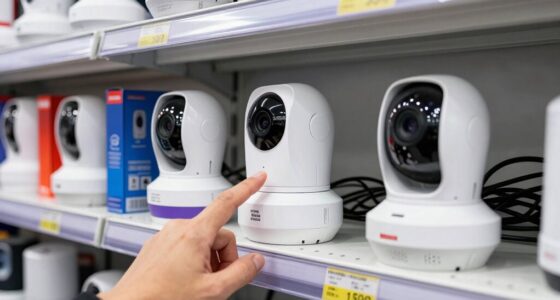

You only need enough cameras to cover your most vulnerable points, like entrances, driveways, and backyards, without creating redundancies or blind spots. Focus on strategic placement to guarantee clear views and avoid privacy issues, especially in sensitive areas. Prioritize quality devices with features like night vision and motion detection for better security. More cameras won’t necessarily make you safer—smart planning does. Stay with us to uncover how to optimize your home surveillance effectively.

Get smart everyday buys delivered free with Prime
- Fast, free delivery on millions of items
- Prime Video, Amazon Music and more included
- Member-only deals all year
Key Takeaways
- Conduct a risk assessment to identify vulnerable entry points and high-traffic areas needing coverage.
- Prioritize quality cameras with essential features like night vision and motion detection over quantity.
- Position cameras strategically to maximize coverage while avoiding blind spots and privacy intrusions.
- Balance security needs with privacy laws and neighbor considerations to prevent legal issues.
- Focus on coverage efficiency—less is often more when cameras are well-placed and purposefully selected.
When it comes to securing your property, more cameras don’t always mean better protection. Instead, you should focus on how well your security system covers the areas that matter most. Before buying, think about what you want to achieve—whether it’s deterring intruders, monitoring activity, or both. Having too many cameras can sometimes create gaps in coverage, leaving blind spots or overlapping views that don’t add real value. The goal is to balance coverage with practicality, not just to increase the number of devices on your property.
Effective security relies on strategic camera placement, not just the number of cameras installed.
You also need to consider privacy concerns, especially if your property is close to neighbors or public spaces. Installing cameras in sensitive areas, like near windows into private rooms or shared spaces, can lead to disputes or legal issues. It’s essential to understand local laws about surveillance and privacy. Sometimes, fewer cameras placed strategically can provide better protection without infringing on privacy or risking legal complications. Over-surveillance can make your home feel like a monitored zone rather than a safe haven. Paying attention to privacy laws can help you avoid potential legal issues down the line.
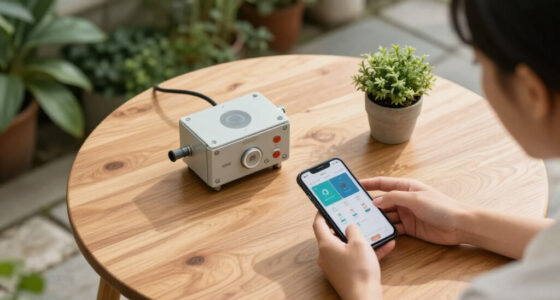
Think about the specific entry points and vulnerable spots on your property. Typically, you’ll want cameras at entrances, driveways, backyards, and any side paths that intruders might use. Covering these key areas with a few high-quality cameras often offers more effective security than dozens of less reliable ones. When choosing a security system, also consider the camera’s features—night vision, motion detection, and remote access matter a lot. These features can help you respond quickly to threats and keep an eye on your property from anywhere. It’s also wise to evaluate the camera reliability to ensure consistent performance over time.
Another factor is the placement height and angle of your cameras. Proper positioning ensures you capture clear images and don’t waste resources on unnecessary coverage. For instance, a camera focused on the front door can be more useful than multiple cameras with overlapping views. Remember, the goal isn’t to watch every inch of your property but to create a comprehensive security plan that’s efficient and unobtrusive. Proper camera placement can significantly enhance your security effectiveness. Additionally, regular maintenance and updating your equipment ensure ongoing reliability and performance.
In the end, it all comes down to your specific needs and risk assessment. Think about what areas are most vulnerable and invest in quality cameras that provide the coverage you require. Keep privacy concerns in mind and ensure your setup complies with legal standards. More cameras don’t automatically mean better security; smart placement and thoughtful planning do. Understanding indoor air quality and how to improve it can also contribute to a healthier living environment, making your home not just secure but also more comfortable. Paying attention to security risks and how to mitigate them can help prevent potential issues before they arise. Focus on what truly matters, and your security system will serve you better without unnecessary clutter or complications.
outdoor security cameras with night vision
As an affiliate, we earn on qualifying purchases.
As an affiliate, we earn on qualifying purchases.
Frequently Asked Questions
What Is the Average Cost of Installing Security Cameras?
You’ll typically spend between $100 and $300 per camera for installation, depending on the type and features. Remember, surveillance ethics matter—respect privacy and avoid over-surveillance. To prevent camera vandalism, choose durable, vandal-proof models and place them strategically. Keep in mind that investing in quality cameras with proper placement can deter misuse and guarantee reliable security, ultimately saving you money and peace of mind.
Are Wireless Cameras More Secure Than Wired Ones?
You might think wireless cameras are more secure, but wireless vulnerabilities can be a real headache, making them less reliable than wired options. Wired reliability offers a solid, uninterrupted connection, less prone to hacking or signal loss. Ironically, choosing wireless might seem easier, but if security’s your goal, wired cameras often provide a safer, more dependable solution. So, don’t fall for the convenience trap—think reliability first.
How Do I Choose the Best Camera Resolution?
To choose the best camera resolution, look at the camera megapixels, which directly impact image clarity. Higher megapixels provide sharper, more detailed footage, especially useful for identifying faces or license plates. However, balance megapixels with storage and bandwidth needs. If you want clear images for security, opt for at least 2-4 megapixels. Remember, resolution is essential, but also consider the camera’s lens quality and lighting capabilities for the best overall performance.
What Features Should I Prioritize in Security Cameras?
Prioritize features like clear night vision, motion detection, and weather resistance. Focus on proper camera placement to cover key entry points and vulnerable areas. Choose camera types suited for specific needs—bullet cameras for outdoor surveillance, dome cameras for discreet monitoring. Guarantee your cameras have high resolution for detailed footage. These features work together to enhance security, making it easier to identify intruders and respond quickly to incidents.
Do I Need a Permit to Install Security Cameras?
You usually don’t need a permit to install security cameras, but legal restrictions vary by location. For example, in some neighborhoods, property disclosures require you to inform neighbors about surveillance. Check local laws to guarantee compliance, as failing to do so could lead to fines or disputes. Always research your city’s regulations before installation to avoid legal issues, especially if cameras face public areas or neighboring properties.
motion detection security camera system
As an affiliate, we earn on qualifying purchases.
As an affiliate, we earn on qualifying purchases.
Conclusion
Ultimately, choosing the right number of security cameras depends on your specific needs and property layout. Don’t fall into the trap of overspending or underprotecting—remember, “A stitch in time saves nine.” By carefully evaluating your vulnerabilities and prioritizing key areas, you’ll strike a balance that offers peace of mind without unnecessary expense. Trust your instincts, stay vigilant, and your property will be well-protected with just the right cameras in place.
As an affiliate, we earn on qualifying purchases.
high-definition surveillance cameras for driveway
As an affiliate, we earn on qualifying purchases.
As an affiliate, we earn on qualifying purchases.
Fall Picks
fall essentials
As an affiliate, we earn on qualifying purchases.