
TL;DR

Get smart everyday buys delivered free with Prime
- Fast, free delivery on millions of items
- Prime Video, Amazon Music and more included
- Member-only deals all year
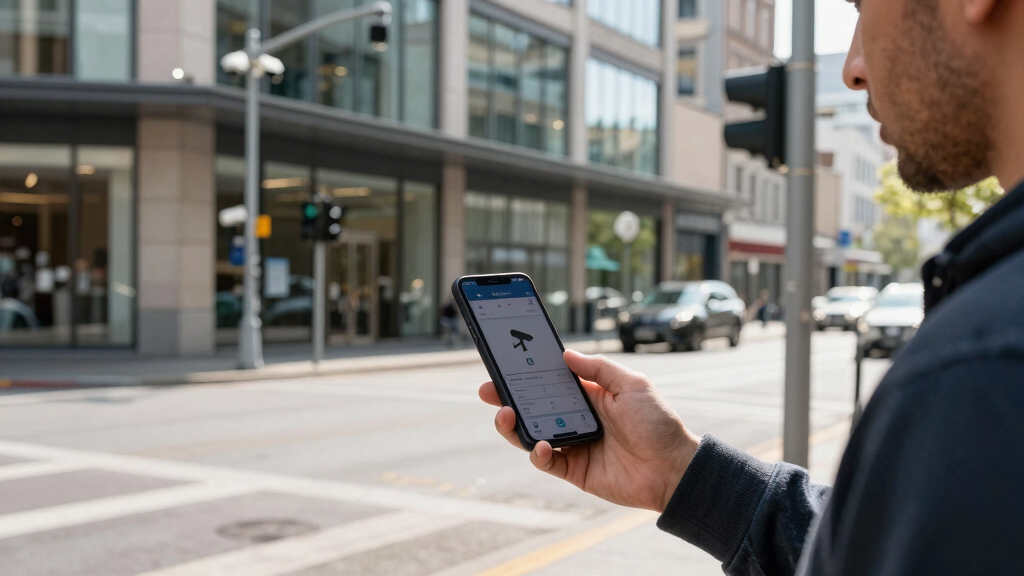
Cities are increasingly adopting AI-enabled digital twins for urban management, raising governance, privacy, and liability concerns. Effective regulation and shared ownership models are key to addressing these challenges.
Urban digital twins powered by AI are becoming central to city management systems, but their governance, privacy, and liability issues remain unresolved. This development impacts cities’ ability to balance technological benefits with social risks, making effective oversight crucial.
Many cities, including Barcelona and Rotterdam, are deploying AI-enabled digital twins that continuously update city models based on sensors, imagery, and mobility data. These systems assist in flood response, traffic management, and urban planning, offering clear operational benefits.
However, the integration of these systems raises significant governance questions. Rotterdam’s approach of shared ownership for city platforms aims to prevent vendor lock-in, contrasting with traditional vendor-dependent models. Meanwhile, other cities face challenges in defining who controls the data ingested by these twins, especially when it involves private business operations under European privacy laws like GDPR.
Privacy concerns are heightened by the opaque processing of citizen data, with critics pointing out that privacy-by-design remains superficial in many implementations. Advances in privacy-preserving techniques, such as differential privacy, are emerging but are not yet widespread.
Societally, digital twins are climbing a ladder—from models of business to models of citizens—raising ethical issues like chilling effects, algorithmic bias, and erosion of contestability. The dual-use nature of the technology means that systems built for urban management can also be exploited for surveillance or control, complicating governance and oversight.
Implications for Urban Governance and Privacy
The adoption of AI-enabled digital twins signifies a shift in how cities manage infrastructure and services, but it also introduces risks related to data control, privacy, and social equity. Without proper governance structures, these systems could entrench corporate dependencies, erode citizen rights, and reduce public oversight, impacting democratic accountability.
Effective regulation—such as purpose limitation, shared ownership models, and transparency of data ingestion—can mitigate these risks. The future of urban surveillance hinges on whether cities adopt these governance principles proactively, balancing technological innovation with social responsibility.
Popular right now

Philips 4400 Series Fully Automatic Espresso Machine with LatteGo Milk System

Sony WH-1000XM4C Wireless Noise-Cancelling Headphones, Black

Vitamix 5200 Professional-Grade Blender, 64 oz. Container, Black
As an affiliate, we earn on qualifying purchases.
Growth of Digital Twins and Governance Concerns
Since 2018, digital twins have evolved from business models to representations of citizens, driven by urban needs like flood modeling and traffic optimization. Cities like Rotterdam are experimenting with shared ownership to avoid vendor lock-in, while others face legal and ethical challenges in controlling citizen and business data.
Research indicates that privacy-preserving techniques are maturing, but their adoption remains inconsistent. The debate over who controls the data and how it is used is intensifying, especially as these systems become more integrated into city functions.
Historical warnings from academic literature highlight the risks of monopolistic dependencies and social costs, emphasizing the need for governance frameworks before lock-in occurs.
“Effective governance of AI-enabled urban twins requires purpose limitation, shared ownership, and transparent data practices.”
— Thorsten Meyer, researcher
Unresolved Questions About Data Control and Governance
It remains unclear whether shared ownership models like Rotterdam’s will be widely adopted or effective in preventing vendor lock-in. Additionally, the legal and ethical frameworks governing data control, privacy, and liability in urban digital twins are still under development, leaving many questions about enforcement and accountability unanswered.
Next Steps in Regulating Urban Digital Twins
Key developments to watch include the spread of shared ownership models, the adoption of enforceable purpose limitation policies, and the emergence of contractual standards requiring transparency about data ingestion. Cities and vendors are expected to negotiate these frameworks over the coming years, shaping the future governance of urban surveillance systems.
Key Questions
What are urban digital twins and how are they used?
Urban digital twins are virtual replicas of cities, fed by sensors and imagery, used for managing infrastructure, traffic, flood response, and urban planning.
What are the main governance challenges with AI-enabled urban surveillance?
The key challenges include controlling who owns and controls the data, ensuring privacy, preventing vendor lock-in, and maintaining public oversight.
How does privacy law like GDPR affect city digital twins?
GDPR raises questions about data control and joint responsibility, especially when private business data is ingested into city systems without clear consent or oversight.
What are potential solutions to these governance issues?
Shared ownership models, purpose limitation enforcement, transparent data practices, and contractual standards can help address these challenges.
Source: ThorstenMeyerAI.com