

Readers comparing The Total Money Makeover by Dave Ramsey with Ramit Sethi’s I Will Teach You to Be Rich are choosing between two distinct ways to take control of personal finances. Ramsey offers a tightly sequenced, debt-first plan built around spending limits and a clear payoff path. Sethi presents a systems approach: automate saving and investing, negotiate selected expenses, and make room for spending that matters to you.

Get smart everyday buys delivered free with Prime
- Fast, free delivery on millions of items
- Prime Video, Amazon Music and more included
- Member-only deals all year

Fundamentals of Financial Planning – 7th Edition
- ✔ Edition: 7th Edition
- ✔ Format: Textbook
- ✔ Subject: Fundamentals and practices of financial planning
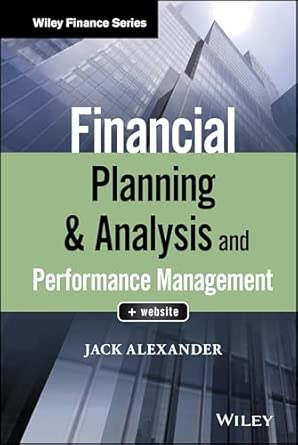
Financial Planning & Analysis and Performance Management
- ✔ Format: Professional finance guide
- ✔ Subject: Financial planning and analysis
- ✔ Additional focus: Performance management
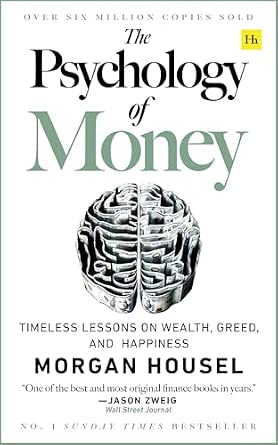
The Psychology of Money: Timeless lessons on wealth, greed, and happiness
- ✔ Format: Narrative personal finance book
- ✔ Subject: Psychology of money and financial outcomes
- ✔ Key themes: Wealth, greed, and happiness
The difference matters most if you are carrying debt or have trouble sticking to a budget. Ramsey’s stricter structure may help readers who want firm rules and a focused payoff goal. Sethi is a better fit for readers ready to organize accounts, build investing habits and use money with more flexibility. Neither book is a personalized financial plan, and the right starting point depends on whether debt control or a broader financial system is your immediate need.
At a Glance
| Criteria | The Total Money Makeover by Dave Ramsey | I Will Teach You to Be Rich by Ramit Sethi | Winner |
|---|---|---|---|
| Primary focus | A step-by-step plan centered on debt reduction and financial discipline | A practical system for automating finances and aligning spending with priorities | Depends |
| Debt payoff guidance | Promotes paying off debt in a prescribed sequence, with a strong emphasis on avoiding consumer debt | Addresses debt alongside saving, investing and account management rather than making debt the sole focus | A |
| Budgeting style | Restrictive, rule-driven approach that asks readers to control spending closely | Uses planned spending and automation, with room for discretionary priorities | B |
| Saving and investing | Builds toward saving and investing after debt and emergency-fund milestones | Detailed emphasis on automated saving, retirement accounts and investing basics | B |
| Flexibility | Low flexibility; relies on firm rules and behavioral commitment | More flexible; encourages readers to spend deliberately on what they value | B |
| Best starting point | Readers who need a clear debt-payoff framework and accountability | Readers seeking a broad system for managing accounts, savings and investing | Depends |
| Cost and value | Typically a low-cost book; valuable for readers who follow its structure | Typically a low-cost book; valuable if readers implement the system and adapt it to their situation | Tie |
Fundamentals of Financial Planning – 7th Edition
For readers who want to understand financial planning as a broad discipline, Fundamentals of Financial Planning is the most natural starting point in this group. Its stated coverage spans key planning concepts and practices, and the textbook format pairs organized chapters with summaries and review questions. Those features help us move through a substantial subject in sequence and check what we have absorbed, rather than relying on a collection of loosely connected reflections.Compared with Financial Planning & Analysis and Performance Management, this book is the better match for a general grounding in planning: the latter concentrates on business analysis and organizational performance. It also offers a more formal learning structure than The Psychology of Money, whose stories illuminate personal attitudes but do not aim to teach the full planning discipline. The cost of that breadth is density. A reader who wants a light, quick read may find this textbook demanding, and the supplied description does not establish that it offers a personalized plan or an easy beginner pathway. We rank it first for its subject coverage and study aids, not because it is the most accessible book.
Pros:
- Covers a broad range of key financial planning topics.
- The seventh edition is described as updated with current industry standards and examples.
- Chapter summaries provide useful checkpoints after substantial material.
- Review questions support active study and recall.
Cons:
- Dense material may challenge readers who are new to the subject.
- A textbook structure may feel less engaging than the narrative approach of The Psychology of Money.
Best for: Readers seeking a structured, broad study of financial planning concepts, including students and self-directed learners comfortable with textbook material.
Not ideal for: Readers who want a brief, story-led introduction or a practical personal checklist without working through dense material.
Bottom line: We recommend this as the strongest general financial planning study choice when broad coverage and review structure matter more than an easy, casual read.
“We recommend this as the strongest general financial planning study choice when broad coverage and review structure matter more than an easy, casual read.”
Financial Planning & Analysis and Performance Management
When financial planning means helping an organization make better decisions, Financial Planning & Analysis and Performance Management has the most specialized focus of our three picks. Its scope brings together planning fundamentals, analysis techniques, and performance management strategies, with real-world examples and case studies described as a bridge between concepts and business applications. For readers whose work touches company forecasts or organizational results, this emphasis is more relevant than the broad textbook approach of Fundamentals of Financial Planning.That professional focus is also the main reason to choose carefully. The book is described as having dense academic language, and its limited attention to industry-specific nuances may leave readers looking for guidance tailored to a particular sector wanting more context. It is not the best substitute for a personal finance guide: The Psychology of Money speaks more directly to individual attitudes and choices, though it offers far less technical instruction. We place this book second because it is substantial and applied within its stated domain, but narrower than a general financial planning textbook for readers who have not specified a business finance goal.
Pros:
- Combines financial planning, analysis techniques, and performance management.
- Real-world examples and case studies are described as practical context.
- Connects finance work with organizational decision-making.
- Expert authorship associated with the Wiley Finance series.
Cons:
- Dense academic language can make it difficult for beginners.
- Limited industry-specific detail may leave sector-focused readers wanting more.
- Its organizational emphasis is less suited to household planning than the other books.
Best for: Finance professionals and advanced learners who need to connect financial analysis, planning, and performance management with organizational decision-making.
Not ideal for: Beginners seeking accessible personal finance guidance, or professionals who need detailed recommendations for a specific industry.
Bottom line: We would choose this specialist guide when business planning and performance decisions are central, while keeping a broader textbook nearby for general planning study.
“We would choose this specialist guide when business planning and performance decisions are central, while keeping a broader textbook nearby for general planning study.”
The Psychology of Money: Timeless lessons on wealth, greed, and happiness
The Psychology of Money is the most readable choice in this comparison, using stories to explore how attitudes and emotions influence financial outcomes. That makes it a useful companion when we understand money concepts in theory but struggle to recognize the habits, expectations, or impulses that shape our decisions. Where Fundamentals of Financial Planning offers a structured survey and Financial Planning & Analysis and Performance Management focuses on organizational tools, this book brings the lens back to individual behavior.Its appeal should not be mistaken for a complete planning method. The description emphasizes timeless principles and reflection, while also noting limited actionable tactics and little focus on specific strategies. Readers who need a sequence for setting goals or managing a plan may find the textbook more useful, even if it is harder to read. We rank this pick third for a roundup about financial planning because it supports the mindset side of money decisions rather than teaching planning mechanics. It may be the best first read for a reluctant reader, but it works best as a complement to a more procedural resource.
Pros:
- Explores psychological influences on personal finance.
- Storytelling makes complex money themes accessible.
- Focuses on principles intended to remain relevant across economic cycles.
- Offers a personal decision-making perspective absent from the two more formal finance books.
Cons:
- More philosophical than procedural for readers seeking direct instructions.
- Offers limited actionable tactics.
- Focuses on mindset more than specific financial strategies.
Best for: Readers who want an engaging, accessible look at how psychology, emotions, and beliefs shape personal money decisions.
Not ideal for: Readers looking for detailed step-by-step financial planning instructions, technical analysis, or extensive actionable tactics.
Bottom line: We suggest this engaging behavioral perspective for readers who want to reflect on money habits, then pair it with a more structured planning resource for practical steps.
“We suggest this engaging behavioral perspective for readers who want to reflect on money habits, then pair it with a more structured planning resource for practical steps.”
As an Amazon Associate we earn from qualifying purchases.
Key Differences
The strongest reason to choose Ramsey is the discipline of the sequence. If debt is growing, payments feel unmanageable or spending keeps undoing progress, a firm payoff plan can reduce decision fatigue. The tradeoff is that strict rules may be hard to sustain and may not suit every household’s obligations or priorities. Readers should check the book’s specific recommendations against their own circumstances.
Sethi’s approach is broader and more adaptable. Automation can make saving and investing more consistent, while a planned spending framework leaves room for personal priorities. That flexibility calls for readers to set up accounts, make choices and maintain the system. It is less forceful as a single-minded debt payoff program. Both books are inexpensive compared with professional advice, but neither can account for every tax, legal or investment situation.
Detailed Comparison
Primary focus (major difference)
Ramsey organizes the book around becoming debt-free through a defined series of steps. Sethi covers a wider personal finance system, connecting debt decisions with saving, investing and spending priorities. Winner: depends on the immediate problem; the difference is major. Readers overwhelmed by debt may benefit from Ramsey’s narrow focus, while readers seeking an overall money routine are better served by Sethi.
Debt payoff guidance (The Total Money Makeover by Dave Ramsey wins — major)
Ramsey gives debt payoff a central role and encourages a structured, committed approach. Sethi discusses debt as part of a broader financial picture, leaving more room for balancing repayment with other goals. Winner: A for readers who need an explicit debt-first framework; the gap is major if debt is their main concern. Readers with manageable debt and other priorities may find Sethi’s balance more useful.
Budgeting style (I Will Teach You to Be Rich by Ramit Sethi wins — moderate)
Ramsey’s approach favors tight controls and clear limits, which can make progress measurable but restrict discretionary choices. Sethi’s system aims to automate routine decisions while reserving money for chosen priorities. Winner: B for flexibility, by a moderate margin. The practical difference is whether a reader is more likely to follow firm spending rules or a structured plan with room for personal preferences.
Saving and investing (I Will Teach You to Be Rich by Ramit Sethi wins — moderate)
Ramsey places saving and investing within a sequential plan that follows key debt and emergency-fund milestones. Sethi gives readers a wider set of instructions for automating savings and investing. Winner: B by a moderate margin for readers who want their investing routine covered alongside day-to-day finances. Ramsey remains useful for readers whose first priority is establishing control before they add more financial tasks.
Flexibility and behavior (I Will Teach You to Be Rich by Ramit Sethi wins — moderate)
Ramsey relies on adherence to a disciplined framework; that can help readers who want firm boundaries but frustrate those whose income or responsibilities vary. Sethi’s system accommodates individual priorities, though it asks readers to make and maintain their own setup. Winner: B by a moderate margin for adaptable planning. The best choice depends on whether structure or autonomy is more likely to produce lasting habits.
Best starting point (major difference)
Ramsey is the clearer starting point for someone who wants a debt payoff plan and firm behavioral guardrails. Sethi is the clearer starting point for someone ready to organize accounts and build an automated saving and investing routine. Winner: depends; this is a major fit difference, not a quality ranking. Start with the book that addresses the problem you need to solve first.
Cost and value (minor difference)
Both are generally affordable books, so purchase price is unlikely to decide the choice. Each can offer strong value if its approach matches the reader and leads to action. Winner: tie, with a minor difference: the greater value comes from choosing a framework you can sustain, rather than buying both and leaving them unread. Neither replaces advice tailored to complex finances.
The Total Money Makeover by Dave Ramsey: Pros and Cons
Pros:
- Clear, sequential focus on paying down debt
- Firm rules can help readers who need accountability
- Low-cost entry point for building a financial plan
Cons:
- Restrictive approach may not suit every household or spending priority
- Less emphasis on a flexible, automated investing system
- A rigid plan may be difficult to maintain when circumstances change
I Will Teach You to Be Rich by Ramit Sethi: Pros and Cons
Pros:
- Covers saving, investing, debt and spending as connected decisions
- Automation can reduce repeated money-management tasks
- Allows room to prioritize spending that matters to the reader
Cons:
- Requires readers to set up and maintain their own system
- Less concentrated on debt payoff than Ramsey’s approach
- Broad guidance may feel less directive to readers who want strict rules
Who Should Choose What
Choose The Total Money Makeover by Dave Ramsey if:
- You have consumer debt and want a clear, debt-first sequence.
- You are more likely to follow firm spending rules than an open-ended plan.
- You want one central payoff goal to organize your next financial steps.
Choose I Will Teach You to Be Rich by Ramit Sethi if:
- You want to automate saving and investing as part of a broader money routine.
- Your debt is manageable and you want to balance repayment with other goals.
- You prefer a flexible plan that reserves room for chosen priorities.
Skip both if: Skip both as your sole guide if you need advice tailored to complex taxes, legal issues, business finances or a specific investment decision; seek qualified professional guidance for those questions.
Value for Money
There is little reason to pay a premium for either title: both are relatively inexpensive ways to get a structured starting point. The Total Money Makeover offers more value if a debt-first sequence helps you change spending and make steady progress. I Will Teach You to Be Rich offers more value if you will put its automation and account guidance into practice. Paying more for a book does not make its approach more suitable, and neither title should be treated as individualized financial advice.
Final Verdict
Choose The Total Money Makeover if debt reduction and strict accountability are your main needs. Choose I Will Teach You to Be Rich if you want a more flexible system for automating savings and investing while making room for priorities. For most readers seeking an all-around personal finance routine, Sethi’s broader framework is the stronger fit. For readers whose debt is the immediate obstacle, Ramsey’s focused plan is the more useful starting point. The deciding factor is whether your next step is to get debt under control or to build a repeatable system across your finances.
Frequently Asked Questions
Which book is better for getting out of debt?
The Total Money Makeover is the more direct choice because debt payoff is its central organizing goal. Sethi covers debt within a wider financial system, which may suit readers balancing repayment with saving and investing.
Which book gives more guidance on investing?
I Will Teach You to Be Rich gives investing a more prominent place in its broader system. Readers should treat either book as general education and check that any investment decisions suit their own circumstances.
Is Dave Ramsey’s approach or Ramit Sethi’s approach more flexible?
Sethi’s approach is more flexible: it encourages automation while allowing readers to prioritize spending. Ramsey’s firm rules can offer useful structure, but require a stronger commitment to a prescribed plan.
Should I buy both books?
Usually, start with the one that addresses your immediate challenge. Choose Ramsey for a focused debt payoff framework or Sethi for a broader system covering accounts, saving, investing and spending. Reading both can help if you want to compare approaches, but it is not necessary to make progress.