

If you’re considering equity release, knowing whether your property is freehold or leasehold can save you money. Freehold gives you full ownership, often resulting in higher value and more borrowing options. Leasehold properties may have limited modifications and less value as the lease shortens. As the lease expiry approaches, your options may decrease, and costs for extensions can rise. Understanding these differences helps you make smarter decisions—keep exploring to learn how to navigate these essential aspects confidently.

Get smart everyday buys delivered free with Prime
- Fast, free delivery on millions of items
- Prime Video, Amazon Music and more included
- Member-only deals all year
Key Takeaways
- Freehold properties generally allow for larger equity release sums due to full ownership rights.
- Leasehold properties may restrict equity release options if the remaining lease is short.
- Short lease periods can lower property value and limit borrowing capacity for equity release.
- Extending a lease can preserve property value and improve access to equity release funds.
- Understanding lease terms helps avoid unexpected costs and ensures better financial planning for retirement.
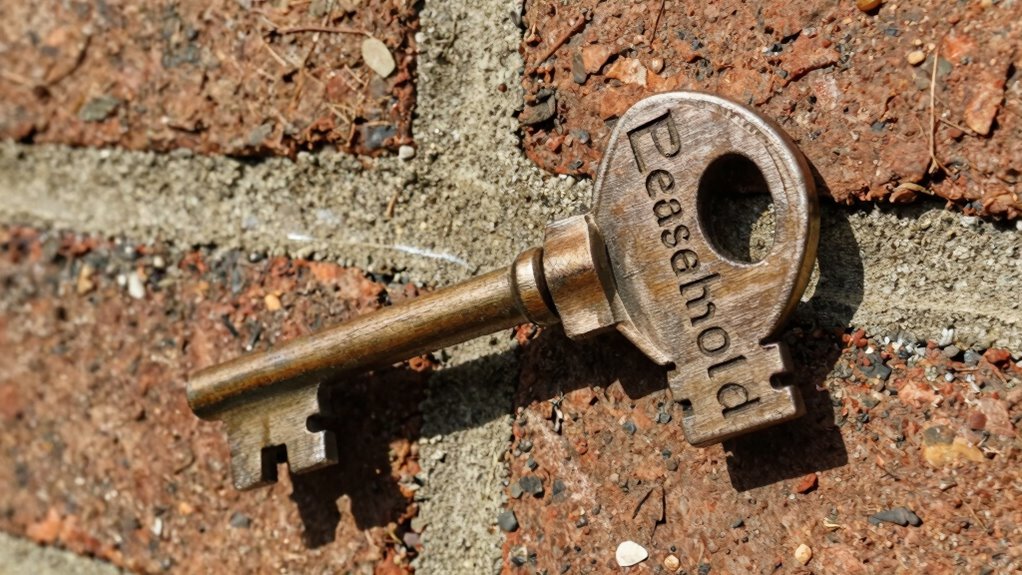
When considering equity release options, understanding the differences between freehold and leasehold properties is essential, as each impacts your financial choices and property rights differently. This distinction can substantially influence your property valuation, how much money you can access, and your overall retirement planning. Freehold properties give you full ownership of both the land and the building, meaning you have control over your property for as long as you live. Leasehold properties, however, are owned for a fixed period under a lease agreement—sometimes decades, but ultimately, the land and structure revert to the freeholder once the lease expires. Recognizing these differences helps you avoid costly surprises and guarantees your retirement plan aligns with your property rights.
In terms of property valuation, freehold homes typically hold higher value because they offer full ownership rights and are often more attractive to lenders and buyers. This can translate into a more substantial equity release potential, giving you access to a larger lump sum or a more flexible monthly income. Leasehold properties, especially those with shorter remaining lease periods, usually have lower valuations, which limits how much you can borrow against them. If your property’s lease is nearing expiry, it can complicate your ability to release equity, as lenders may see it as a higher risk or refuse to lend altogether. For effective retirement planning, it’s vital to consider not just your current property valuation but also how the leasehold status might impact the future value of your home. Understanding property rights is crucial to making informed financial decisions, particularly when it comes to property ownership structures.
Additionally, knowing whether your leasehold has provisions for lease extensions can be beneficial for maintaining your property’s value over time. Being aware of potential lease extension costs can help you plan financially for the future. It’s also worth noting that some leaseholders may face restrictions on property modifications, which can influence your plans for improvements or adaptations needed as you age.
freehold property valuation guide
As an affiliate, we earn on qualifying purchases.
As an affiliate, we earn on qualifying purchases.
Frequently Asked Questions
Can I Switch From Leasehold to Freehold Equity Release Later?
Yes, you can switch from leasehold to freehold equity release later, but it involves careful property valuation and legal considerations. You’ll need to get a professional valuation to determine the property’s worth and understand the legal steps required for the transfer. This process can be complex, so consulting with a property expert or legal advisor is vital to guarantee the switch is smooth and cost-effective.
How Does Inheritance Work With Leasehold Versus Freehold Properties?
When inheriting a leasehold or freehold property, ownership transfer involves a property valuation to determine its worth. For freehold, you gain full ownership, making inheritance straightforward. With leasehold, you inherit the remaining lease term, which can affect the property’s value and future transferability. Confirm the lease is sufficiently long for inheritance benefits, and consider how the valuation impacts your decision-making when inheriting either type of property.
Are There Different Tax Implications for Freehold and Leasehold Equity Releases?
Are you aware of how tax planning and estate implications differ between freehold and leasehold equity releases? Generally, the tax implications are similar, with potential income tax or capital gains tax considerations. However, leasehold properties may involve additional fees or charges affecting your estate planning. You should consult a tax advisor to understand how these differences impact your financial and estate plans, ensuring you avoid unexpected costs.
What Are the Long-Term Financial Risks of Each Option?
You face long-term financial risks with both options, as property valuation can fluctuate, affecting your equity. Freehold releases might lead to higher legal considerations, potentially increasing costs if disputes arise. Leasehold releases could see diminishing value over time due to lease expiry. Carefully evaluate how each choice impacts your future finances, considering legal complexities and property value changes, to avoid unexpected expenses or loss of assets down the line.
Do Lenders Treat Freehold and Leasehold Equity Releases Differently?
When it comes to equity release, lenders treat freehold and leasehold properties differently. They often view freeholds more favorably because of their stability, which can positively influence property valuation and improve your loan eligibility. Leasehold properties might raise red flags due to potential restrictions and shorter lease terms, making lenders more cautious. So, it’s wise to understand these nuances to avoid surprises and secure the best deal possible.
leasehold extension costs calculator
As an affiliate, we earn on qualifying purchases.
As an affiliate, we earn on qualifying purchases.
Conclusion
Understanding the difference between freehold and leasehold equity release can be the key to avoiding costly mistakes. Will you choose the stability of freehold or the flexibility of leasehold? Imagine holding the reins of your property’s future—making an informed decision could save you thousands and provide peace of mind. Don’t let confusion steer you wrong; take the time to evaluate your options carefully. After all, isn’t your home and financial security worth the right choice?
equity release for freehold homes
As an affiliate, we earn on qualifying purchases.
As an affiliate, we earn on qualifying purchases.
leasehold property modifications kit
As an affiliate, we earn on qualifying purchases.
As an affiliate, we earn on qualifying purchases.
Halloween Picks
halloween
As an affiliate, we earn on qualifying purchases.