

Before choosing how to prepare your home for later life, ask yourself if your current space supports your daily routines and future independence. Check safety features like grab bars and wide doorways, and consider necessary modifications or support services. Evaluate your budget and explore available resources. Consulting professionals can help clarify options and costs. Keep these questions in mind to guarantee your home adapts with your evolving needs and goals. If you keep exploring, you’ll discover more ways to plan ahead.

Get smart everyday buys delivered free with Prime
- Fast, free delivery on millions of items
- Prime Video, Amazon Music and more included
- Member-only deals all year
Key Takeaways
- Assess current home safety features and identify modifications needed for accessibility and fall prevention.
- Determine ongoing support requirements, such as mobility aids or home care services, for future independence.
- Evaluate the financial implications of home modifications, services, and potential relocation options.
- Consult qualified professionals to ensure proper modifications and support plans align with long-term needs.
- Regularly review and update your living environment to accommodate changing health and mobility conditions.
As an affiliate, we earn on qualifying purchases.
Assess Your Current Living Needs and Limitations
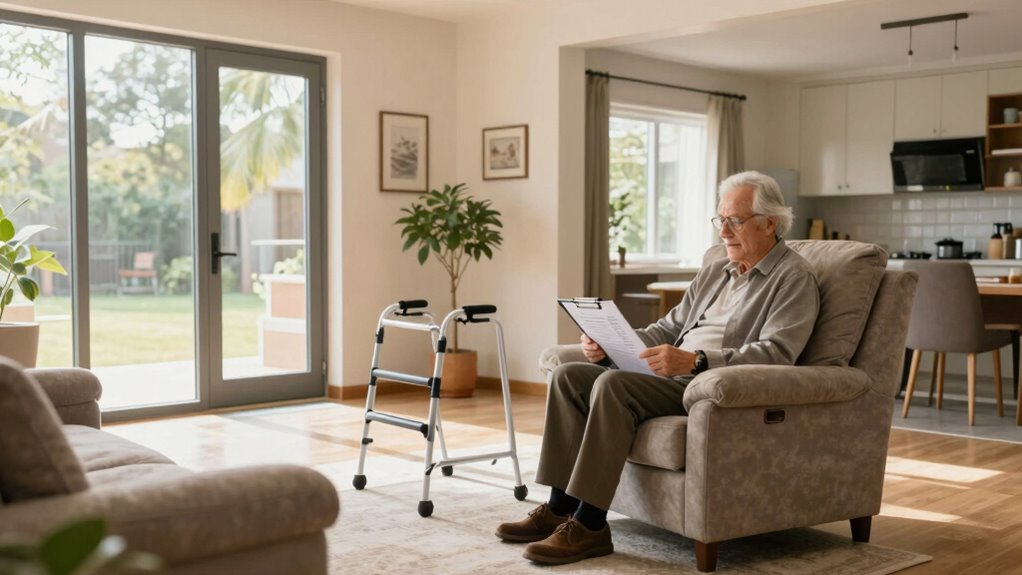
Understanding your current living needs and limitations is the first step in preparing your home for later life. Take a close look at your home environment and consider how it supports or challenges your daily routines. Are there areas that require extra effort to access, like stairs or narrow doorways? Do you find yourself needing more assistance with mobility, or do certain tasks take longer than they used to? Evaluating these aspects helps you identify what adjustments are necessary now and in the future. Incorporating accessible design principles can also enhance safety and usability for all stages of life. Small changes, such as installing grab bars or widening doorways, can significantly improve your home’s adaptability. Recognizing the importance of home modifications can guide you toward making informed decisions. Being honest about your current needs lays a solid foundation for making informed decisions as you plan for aging in place. Additionally, understanding home safety considerations can help prevent accidents and promote independence. Regularly reviewing your living environment can ensure it continues to meet your evolving needs.
widening doorways for mobility aids
As an affiliate, we earn on qualifying purchases.
As an affiliate, we earn on qualifying purchases.
Is Your Home Safe and Accessible for Aging in Place?
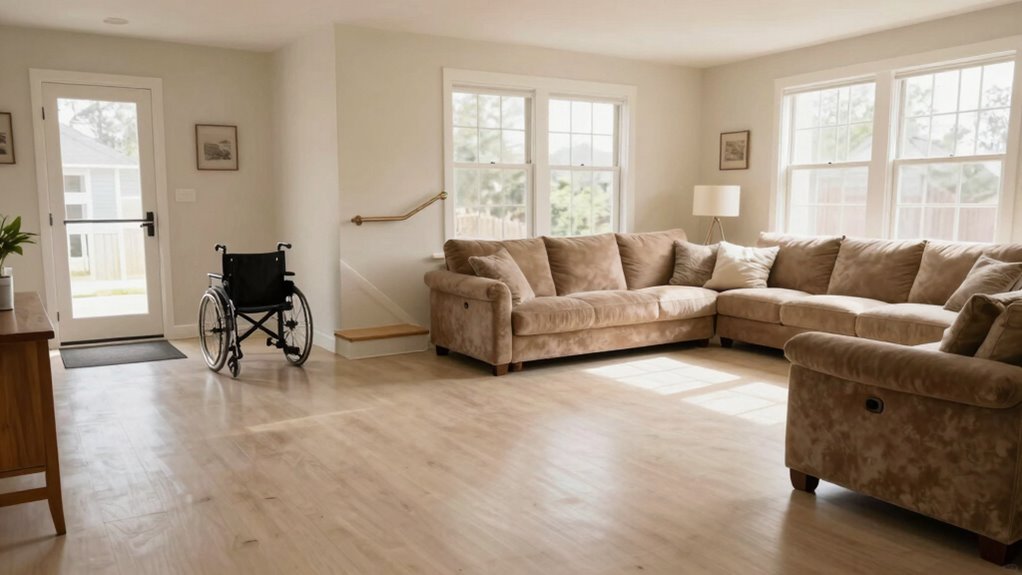
Once you’ve assessed your current living needs and limitations, it’s time to focus on whether your home is truly safe and accessible for aging in place. Start by evaluating home safety: are walkways clear of hazards, and are stairs equipped with sturdy handrails? Check accessibility features like lever-style door handles, easy-to-reach light switches, and a bathroom with grab bars. Consider if doorways are wide enough for mobility aids and if flooring is slip-resistant. Address any clutter or obstacles that could cause falls. Ensuring your home offers safety and accessibility helps you maintain independence and reduces injury risks. Making these adjustments now can provide peace of mind and create a more comfortable environment for your future needs. Additionally, incorporating proper ventilation can improve indoor air quality, promoting overall health and well-being as you age. Regularly maintaining and cleaning surfaces with appropriate cleaning tools also supports a healthier living space, reducing dust and allergens that could impact respiratory health. Ensuring your home has proper lighting can further prevent accidents and enhance visibility in all areas. Conducting a home safety assessment periodically can help identify and address potential hazards before they become problematic, ensuring your living environment remains secure and adaptable as your needs evolve.
As an affiliate, we earn on qualifying purchases.
What Are Your Goals for Future Housing and Independence?
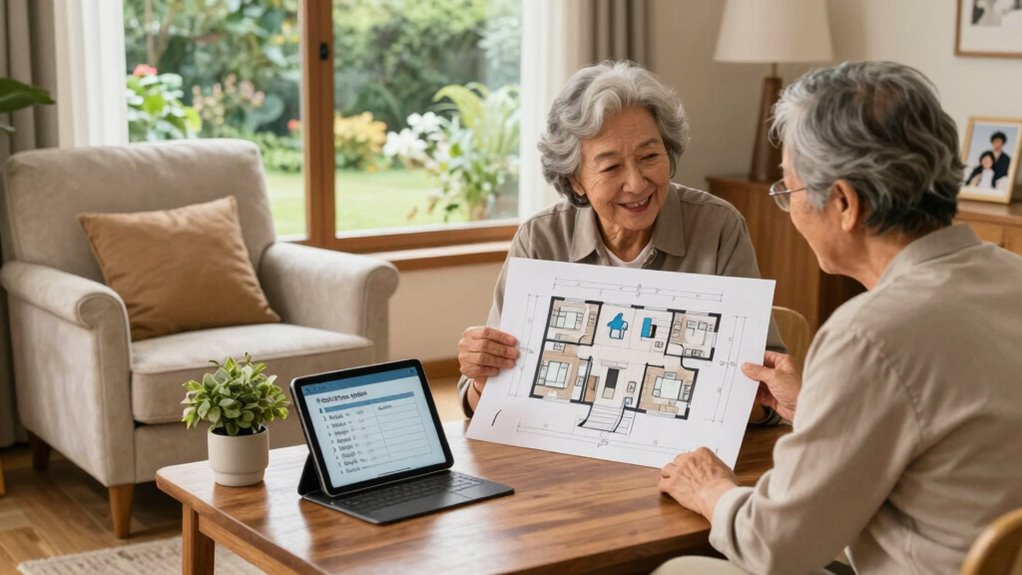
Thinking about your future housing goals helps you plan for independence and the level of care you might need. Do you prefer staying in your current home, moving to a senior community, or exploring other options? Clarifying these choices now guarantees your living situation aligns with your long-term needs and preferences. Additionally, understanding gadget reviews and technology tips can help you select the right devices to support your lifestyle and maintain independence as you age. Considering home decor ideas that accommodate changing needs can also make your living space more comfortable and accessible over time. Being aware of identity theft prevention tips can further protect your personal information as you prepare for future living arrangements. Exploring kitchen appliances designed for safety and ease of use can also enhance your quality of life and independence in your home.
Desired Level of Care
What are your goals for future housing and independence? Knowing this helps determine your desired level of care. If you prefer to stay active and involved, you might prioritize housing options that promote community integration and social engagement. Consider whether you want to live independently or with some assistance, which impacts the type of support you’ll need. Think about:
- The level of medical or personal care required
- Your comfort with technology and remote monitoring
- Access to transportation and community activities
- The importance of maintaining your current lifestyle
- How embracing Stoic principles can help you adapt to changing circumstances and maintain resilience in your living situation
Long-Term Housing Preferences
Have you considered how your ideal living situation will support your independence and lifestyle goals in the long run? Your long-term housing preferences should align with what matters most to you, whether that’s maintaining independence or staying close to loved ones. Think about home affordability—can you comfortably cover costs now and in the future? Additionally, evaluate community amenities, like transportation, healthcare access, social activities, and safety features. These elements can greatly influence your quality of life and ease of living as you age. Choosing a home that fits your goals ensures you stay connected, active, and comfortable. Clarifying these priorities now helps you make informed decisions that support your independence and enjoyment in later years. Considering active living options within your community can also encourage you to stay engaged and maintain a healthy, active lifestyle as you age.
As an affiliate, we earn on qualifying purchases.
What Home Modifications and Support Services Do You Need?
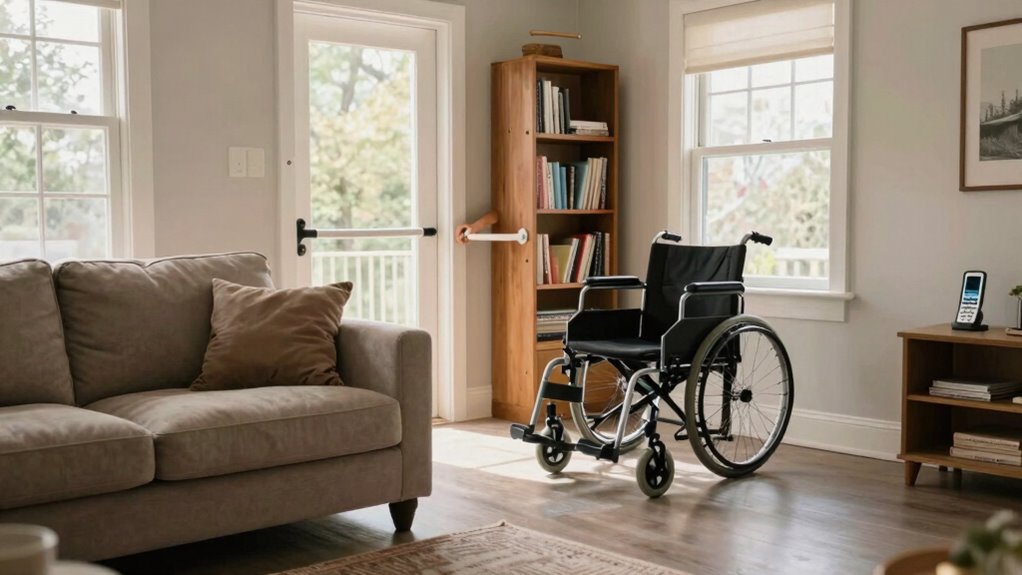
As you plan for later life, evaluating your home for necessary modifications and support services becomes essential to guarantee safety and independence. Consider features like home automation to simplify daily tasks and improve security, such as voice-activated lighting or smart door locks. Emergency preparedness is also vital; install easy-to-reach fire alarms, grab bars, and emergency alert systems. Think about other modifications like widened doorways, non-slip flooring, and stairlifts to reduce fall risks. Support services may include in-home care, transportation assistance, and medical alert systems. Regularly reviewing home security tips can help identify potential vulnerabilities and ensure your safety. Assess your current home setup and identify areas needing improvement to stay comfortable and safe. Incorporating home modifications that focus on accessibility and safety can significantly enhance your living environment. Staying informed about adaptable home features can help you make better decisions for your future needs. Additionally, consulting with assistive technology experts can provide personalized solutions to further support your independence. Understanding home safety assessments can help you prioritize necessary changes and prevent accidents. By proactively addressing these needs, you can create a living environment that adapts to your evolving lifestyle.
How Do Your Budget and Resources Affect Your Housing Choices?

Your financial situation and available resources play a significant role in shaping your housing choices as you plan for later life. Good financial planning helps you understand what you can afford and guides resource allocation toward housing options that fit your budget. If you have limited savings, you might prioritize more affordable housing or consider downsizing. Conversely, if you have substantial assets, you may explore options like home upgrades or moving to a more suitable community. Your budget influences not only the type of residence but also ongoing costs like maintenance, utilities, and care services. Being realistic about your financial limits guarantees you choose a housing situation that’s sustainable long-term, giving you peace of mind as you prepare for the future. Additionally, exploring savings tips and deals, such as discounts on home services or financial planning resources, can help maximize your available funds for housing needs. Understanding the importance of financial planning can help you make informed decisions and ensure your housing choices align with your resources. Incorporating cost-effective upgrades can further enhance your living environment without exceeding your budget. Considering long-term affordability is also crucial to ensure your housing remains manageable as your needs evolve.
Questions to Ask Professionals Before Making a Decision

Before making a decision, you need to ask professionals about their credentials and experience to guarantee they’re qualified. Clarify what services they offer and how much they’ll cost to avoid surprises later. Being direct about these points helps you choose the right expert for your needs.
Credentials and Experience
When choosing professionals to help you prepare for later life, it is vital to verify their credentials and experience. This guarantees you’re working with qualified experts who can provide reliable guidance. Focus on expertise verification and credential assessment by asking about their educational background, certifications, and licensing. Confirm their experience in senior care planning or home modifications, and inquire about their familiarity with specific needs you might have. Don’t hesitate to request references or case studies demonstrating their past work. Here are key questions to contemplate:
- What specific credentials do you hold?
- How long have you been working in this field?
- Can you provide references from previous clients?
- Have you specialized in senior or home modification projects?
Service Scope and Costs
Understanding the scope of services and associated costs is essential before committing to any professional helping you prepare for later life. Knowing your options helps you make informed choices aligned with your needs and budget. Service options vary from home modifications to ongoing caregiving, each with different cost considerations. To visualize these choices, consider this table:
| Service Type | Description | Cost Range |
|---|---|---|
| Home Modifications | Ramps, grab bars, safety upgrades | $2,000 – $15,000 |
| Personal Care Help | Daily assistance with chores | $15 – $30/hr |
| Medical Support | Nursing, health monitoring | Varies |
Frequently Asked Questions
How Can I Involve Family Members in My Housing Decision Process?
You can involve family members by fostering open family communication and encouraging honest discussions about your housing choices. Use decision-making strategies like family meetings or shared lists to gather everyone’s input and address concerns. Make certain each person feels heard and respected, which helps build consensus. By actively engaging your loved ones, you’ll create a supportive environment and ensure your housing decision reflects everyone’s needs and preferences.
What Legal Documents Should I Prepare for Future Housing Needs?
You should focus on estate planning documents like a will and power of attorney to guarantee your future housing needs are smooth. These legal safeguards help protect your wishes and provide clarity for loved ones. Consider creating a living trust to avoid probate and designate a healthcare proxy for medical decisions. Preparing these documents now gives you peace of mind, knowing your future home arrangements are well protected and your intentions clearly set.
Are There Community Resources Available to Support Aging in Place?
Yes, there are community resources that support aging in place, including senior transportation services and home safety programs. These resources help you stay mobile and safe at home, making it easier to maintain independence. Local senior centers often offer transportation options, safety assessments, and home modification advice. By accessing these services, you can improve your quality of life, ensuring you remain comfortable and secure as you age in place.
How Will My Healthcare Needs Influence My Housing Choices?
Your healthcare needs shape your housing choices by requiring easy access to healthcare facilities, reliable medical services, and accommodations for medical equipment. You’ll want a home close to hospitals or clinics, with features that support ongoing medical care. Ensuring healthcare access, proximity to medical facilities, and adaptations for health conditions make your living environment both safe and supportive, giving you peace of mind as you age comfortably.
What Are the Long-Term Costs of Different Housing Options?
The long-term costs of housing depend on factors like affordable housing options and maintenance responsibilities. You’ll want to take into account upfront costs versus ongoing expenses, including property taxes, insurance, and upkeep. For example, a smaller, more affordable home might reduce initial costs but could lead to higher maintenance over time. Conversely, a newer or managed property might have higher upfront costs but lower ongoing expenses. Balancing these factors helps you choose the most economical option.
Conclusion
Think of preparing your home for later life like planting a sturdy tree—start with strong roots, plan your branches carefully, and nurture growth over time. By asking the right questions now, you establish the foundation for a safe, comfortable future. Remember, just as a tree withstands storms with deep roots, your thoughtful preparations will help you weather life’s changes with confidence and grace. Planning today guarantees your home remains your sanctuary tomorrow.
Halloween Picks
halloween
As an affiliate, we earn on qualifying purchases.