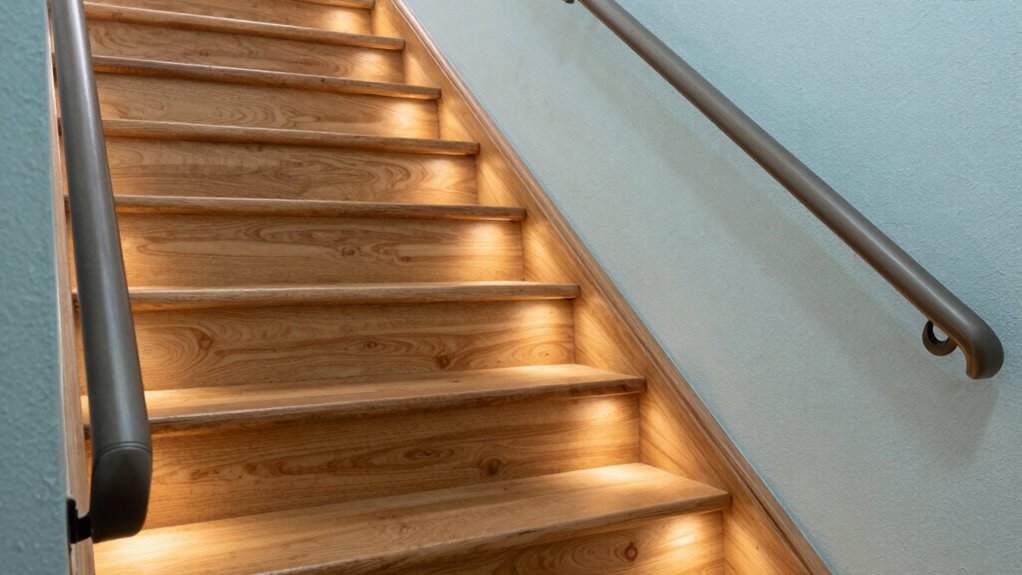

Making stairs safer for older adults isn’t just about installing handrails. You should also add non-slip strips, guarantee proper lighting with switches at both ends, and keep the area clear of clutter. Consider assistive devices like stairlifts or grab bars for extra support. Address hazards proactively, such as uneven surfaces or poor lighting. If you want to discover more ways to reduce falls and boost confidence, there’s plenty you can do to create a safer environment.

Get smart everyday buys delivered free with Prime
- Fast, free delivery on millions of items
- Prime Video, Amazon Music and more included
- Member-only deals all year
Key Takeaways
- Proper lighting at both ends of stairs and night lights improve visibility during nighttime.
- Installing sturdy handrails on both sides enhances support and stability while ascending or descending.
- Non-slip treads and slip-resistant surfaces significantly reduce the risk of slips and falls.
- Regular environmental checks, like removing clutter and cords, prevent tripping hazards.
- Consider assistive devices, such as stairlifts or portable aids, for added safety and independence.
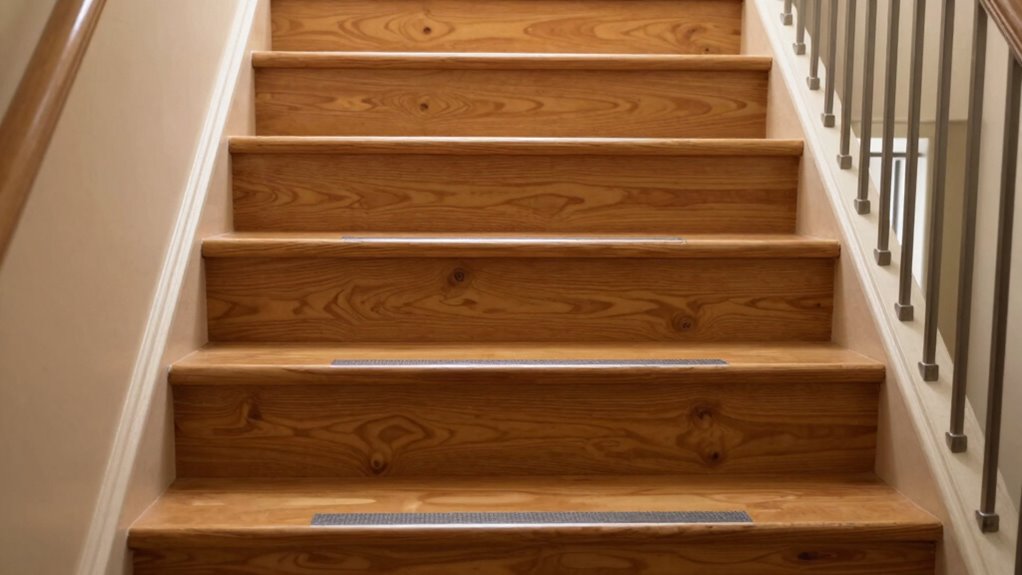
Have you ever wondered how to make stairs safer for older adults? It’s a common concern, especially if you’re caring for someone who struggles with mobility or balance. The good news is that there are practical steps you can take through home modifications and the right use of assistive devices. These changes don’t just improve safety; they also boost confidence and independence, letting your loved one move around more freely.
First, consider how your home’s stairs are designed. Many older homes weren’t built with accessibility in mind, so simple modifications can make a big difference. Installing sturdy handrails on both sides of the staircase provides essential support. Handrails should be easy to grip, securely fastened, and extend the full length of the stairs. You might also want to add non-slip treads or adhesive strips to each step. These prevent slips, especially if the stairs are made of smooth material or tend to get wet.
Lighting plays an important role in stair safety. Make sure the entire staircase is well-lit, with switches at both the top and bottom. Motion-activated or night lights can be helpful, illuminating the way without requiring manual switches. This reduces the risk of missteps during nighttime visits to the bathroom or kitchen. Ensuring proper lighting and visibility is crucial for fall prevention.
Home modifications aren’t limited to physical alterations. Assistive devices can provide extra stability and support. A stairlift is an excellent investment if your loved one finds climbing stairs difficult or unsafe. These devices allow a person to sit comfortably while being transported smoothly up or down the stairs. Alternatively, portable transfer aids or grab bars can be installed temporarily or permanently to support balance as needed.
It’s also important to evaluate the overall environment. Removing clutter from stairs and ensuring that rugs or cords don’t pose tripping hazards is vital. If your home has uneven or steep stairs, consider consulting a professional to explore options like replacing them with wider, more gradual ramps or stair modifications that are easier to navigate. Additionally, home safety features such as slip-resistant surfaces and proper lighting can further reduce the risk of falls on stairs. Being aware of potential hazards and addressing them proactively prevents accidents, significantly enhancing safety.
As an affiliate, we earn on qualifying purchases.
Frequently Asked Questions
What Are the Most Common Injuries From Falls on Stairs?
Falls on stairs often cause injuries like fractures, sprains, and head traumas. To prevent these, you should focus on handrail installation and lighting improvements. A sturdy handrail gives you support, while good lighting helps you see each step clearly. These simple upgrades reduce the risk of common injuries, like broken bones or bruises, making your staircase safer and more accessible, especially for older adults.
How Often Should Stair Safety Assessments Be Performed?
Imagine walking up stairs with a gentle, steady handrail guiding you—this is why conducting regular risk assessment and updating safety protocols are crucial. You should perform stair safety assessments at least every six months or after any significant changes, such as renovations or injury incidents. Consistent evaluations help identify potential hazards early, ensuring safety measures stay effective and reducing fall risks for older adults.
Are There Specific Materials That Reduce Slip Risk?
Yes, there are specific materials that reduce slip risk. You should look for stairs with non-slip coatings or textured surfaces, which provide better grip and prevent falls. Non-slip coatings can be applied to existing stairs, while textured surfaces are often built into the stair material itself. These features are especially important for older adults, helping to create a safer environment by reducing the likelihood of slips and falls.
Can Stair Modifications Be Customized for Individual Needs?
Yes, stair modifications can be customized for your individual needs through personalized modifications and adaptive design. You can work with specialists to tailor features like handrails, step height, and surface materials to suit your mobility and safety requirements. This approach guarantees the stairs are both safer and more comfortable, helping you maintain independence. Customization makes it easier to navigate stairs confidently, reducing fall risks and enhancing overall safety.
What Are Cost-Effective Ways to Improve Stair Safety?
Did you know falls on stairs cause over 1 million injuries annually? To improve stair safety cost-effectively, focus on lighting improvements to enhance visibility and handrail enhancements for better support. Installing brighter LED lights and sturdy, continuous handrails can make a huge difference, reducing risks without breaking the bank. These simple upgrades are affordable, easy to implement, and considerably boost safety for older adults managing stairs.
As an affiliate, we earn on qualifying purchases.
Conclusion
As you consider making stairs safer for older adults, remember that falls are a leading cause of injury, with nearly 3 million emergency visits annually. Implementing simple changes like better lighting, sturdy handrails, and non-slip treads can make a huge difference. You have the power to create safer environments and prevent accidents. Every small improvement counts—so take action today to guarantee that your loved ones walk safely and confidently on every step they take.
motion sensor night lights for stairs
As an affiliate, we earn on qualifying purchases.
As an affiliate, we earn on qualifying purchases.
As an affiliate, we earn on qualifying purchases.
Halloween Picks
halloween
As an affiliate, we earn on qualifying purchases.