To keep seniors safe during extreme temperatures, guarantee heating and cooling systems are regularly maintained and inspected by professionals. Change filters often and keep ventilation clear to improve indoor air quality. Have backup plans like extra blankets or access to cooling centers. Stay alert for system malfunctions and address any issues promptly. Proper upkeep reduces safety hazards and prolongs equipment life. Continue exploring tips that can help you safeguard your loved ones even better.

Get smart everyday buys delivered free — and shop member deals
- Fast, free delivery on millions of items
- Access to Prime Big Deal Days deals on October 6–7
- Prime Video, Amazon Music and more included
Key Takeaways
- Regularly inspect and maintain HVAC systems to prevent malfunctions and ensure safe operation.
- Change filters frequently to improve air quality and system efficiency, especially during temperature fluctuations.
- Keep emergency kits and backup heating or cooling options accessible for unexpected system failures.
- Ensure proper ventilation and indoor air quality to reduce respiratory risks for seniors.
- Schedule annual professional inspections to identify and address safety or performance issues early.
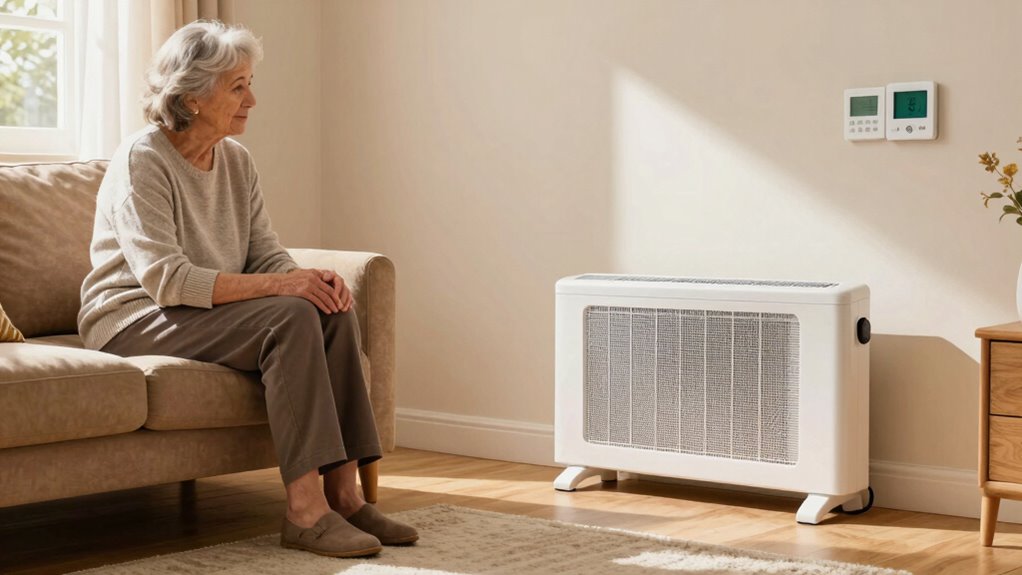
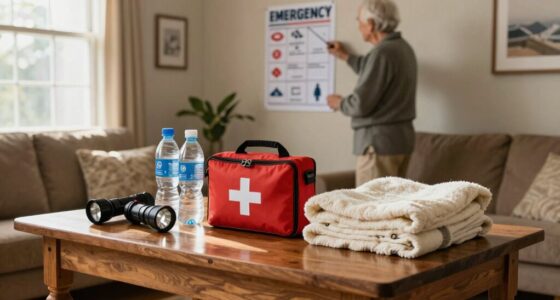
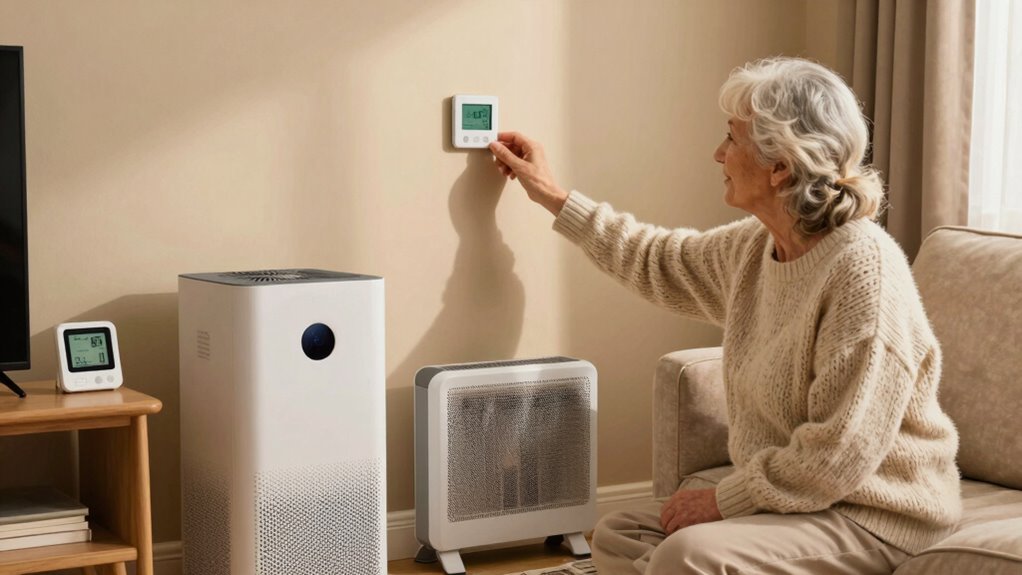
As the weather changes, seniors need to be especially mindful of how heating and cooling can affect their health and safety. Maintaining good indoor air quality becomes even more critical during temperature fluctuations. Poor air quality can lead to respiratory issues, allergies, or worsen existing health conditions. To improve indoor air, you should regularly change filters, guarantee proper ventilation, and keep your home free of dust and mold. Using humidifiers or dehumidifiers as needed can also help sustain a comfortable and healthy environment. When heating or cooling systems are working efficiently, they reduce the likelihood of indoor pollutants and create a safer, more comfortable space. Proper maintenance of HVAC systems supports better indoor air quality and system longevity. Regularly inspecting and cleaning air ducts can also prevent dust and mold buildup, further enhancing air quality. Additionally, understanding the importance of indoor air quality can help you take targeted steps to ensure a healthier environment for seniors. Ensuring good air circulation and ventilation can significantly improve overall air quality and comfort. Checking for airborne allergens and pollutants is essential for creating a safer indoor space. Emergency preparedness is equally essential. Sudden power outages, equipment failures, or extreme weather events can catch you off guard if you’re not ready. Keep an emergency kit nearby, including batteries, a flashlight, bottled water, and essential medications. Having a plan in place guarantees you know how to stay safe if your heating or cooling system fails unexpectedly. For instance, during a heatwave, it’s smart to identify nearby cooling centers or public spaces where you can seek relief if your air conditioning stops working. Similarly, in winter, guarantee you have a reliable way to stay warm, whether through backup heating options or extra blankets. Preparing in advance can help minimize health risks associated with temperature extremes. It’s also important to schedule regular maintenance for your heating and cooling systems. Properly maintained equipment runs more efficiently, reduces safety hazards, and improves indoor air quality. Change filters as recommended, and have a professional inspect your system annually to catch any issues early. This proactive approach can prevent dangerous malfunctions and extend the lifespan of your appliances. Ensuring your system is functioning optimally is a crucial part of home safety for seniors, especially during seasonal changes.
HVAC system maintenance kit for seniors
As an affiliate, we earn on qualifying purchases.
As an affiliate, we earn on qualifying purchases.
Frequently Asked Questions
How Often Should Heating and Cooling Systems Be Inspected for Safety?
You should have your heating and cooling systems inspected at least once a year to guarantee safety. Regular maintenance schedules help catch potential issues early, reducing risks. If your system is older or showing signs of wear, consider system upgrades for improved safety and efficiency. Scheduling annual inspections with a professional keeps your systems running smoothly and safely, especially important for seniors who rely heavily on these systems for comfort and health.
What Are Signs of HVAC System Carbon Monoxide Leaks?
Think of your HVAC system as a silent guardian; if it leaks carbon monoxide, it’s like a slow, unseen poison seeping into your home. Signs include a persistent, dull headache, dizziness, or nausea. You should have carbon monoxide detection alarms and schedule regular HVAC maintenance. If you notice any symptoms, leave immediately and call for professional inspection. Early detection saves lives and guarantees your home stays safe.
Are There Specific Safety Features for Senior-Friendly Thermostats?
Yes, many senior-friendly smart thermostats come with safety features designed for easy and secure use. These include automatic shutoff options, alerts for extreme temperatures, and lock functions to prevent accidental adjustments. These safety features help you maintain a safe environment, minimizing risks related to overheating or freezing, and guarantee peace of mind. Look for thermostats that emphasize user-friendly controls and built-in safety alerts to keep your home safe and comfortable.
How Can I Prevent Electrical Fires From Heating or Cooling Units?
Electrical safety is vital to prevent fires from heating or cooling units. You should regularly inspect cords and connections for damage, avoid overloading circuits, and guarantee units have safety features like automatic shut-off. Keep vents clear and schedule professional maintenance annually. By practicing these fire prevention tips, you reduce the risk of electrical fires, creating a safer environment for seniors. Always prioritize safety to protect your loved ones and your home.
What Emergency Measures Should Seniors Know During HVAC Failures?
During HVAC failures, you should immediately activate emergency preparedness by moving to a warm or cool space, depending on the weather. Use safety equipment like a portable heater or fan if available, but make certain they’re safe to operate. Keep emergency supplies, such as blankets or water, nearby. If power is out for an extended period, contact emergency services and stay informed through a battery-powered radio. Always prioritize your safety first.
As an affiliate, we earn on qualifying purchases.
Conclusion
By prioritizing proper precautions, you protect your peace of mind and prevent preventable problems. Regularly review and repair your heating and cooling systems, and stay vigilant about ventilation and temperature. Small steps make a significant difference in safeguarding your space. Stay savvy, stay safe, and sustain comfort all year round. Remember, safety starts with you—so take charge, check consistently, and chill or warm worry-free!
emergency heating and cooling backup devices
As an affiliate, we earn on qualifying purchases.
As an affiliate, we earn on qualifying purchases.
As an affiliate, we earn on qualifying purchases.
Halloween Picks
halloween
As an affiliate, we earn on qualifying purchases.