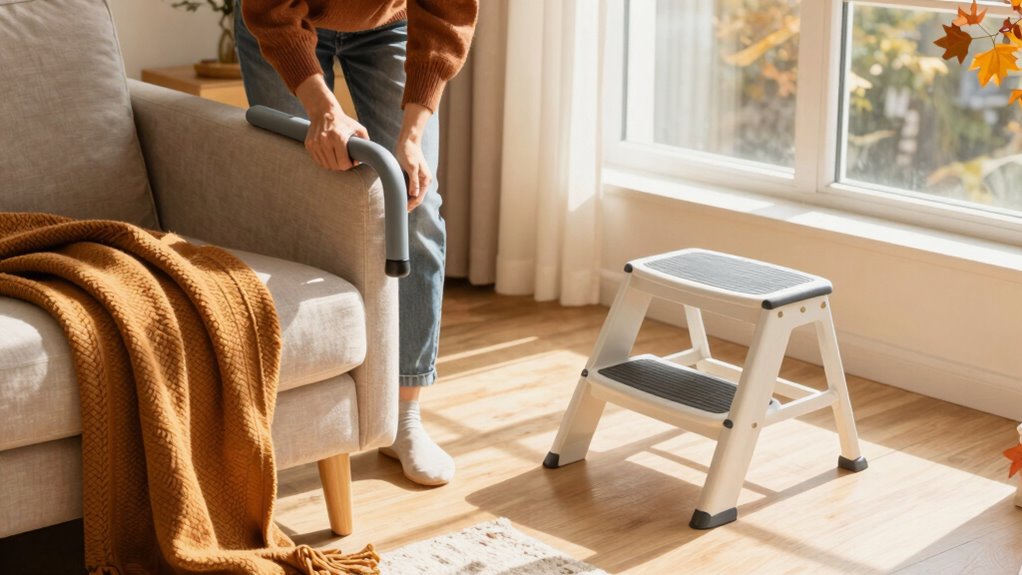
To prevent falls at home, you need to spot hazards like cluttered walkways, uneven floors, and poor lighting. Install sturdy handrails, non-slip mats, and grab bars in bathrooms and on stairs. Keep floors dry, clear walkways, and make sure outdoor paths are even and well-lit. Regularly check for hazards and maintain safety devices. Staying proactive with safety routines can greatly lower your risk. If you want to learn more, you’ll find effective tips to protect yourself and loved ones.

Get smart everyday buys delivered free with Prime
- Fast, free delivery on millions of items
- Prime Video, Amazon Music and more included
- Member-only deals all year
Key Takeaways
- Regularly inspect and repair potential hazards like uneven surfaces, loose rugs, and poor lighting to prevent falls.
- Install safety features such as grab bars, non-slip mats, and sturdy handrails in bathrooms and stairways.
- Keep walkways clear of clutter, cords, and outdoor debris to reduce tripping risks.
- Use sensors, alarms, and secure environmental setups to monitor and respond to fall dangers promptly.
- Develop a daily safety routine including routine inspections, quick cleanups, and emergency preparedness steps.
As an affiliate, we earn on qualifying purchases.
Why Falls Are a Major Risk for Homeowners
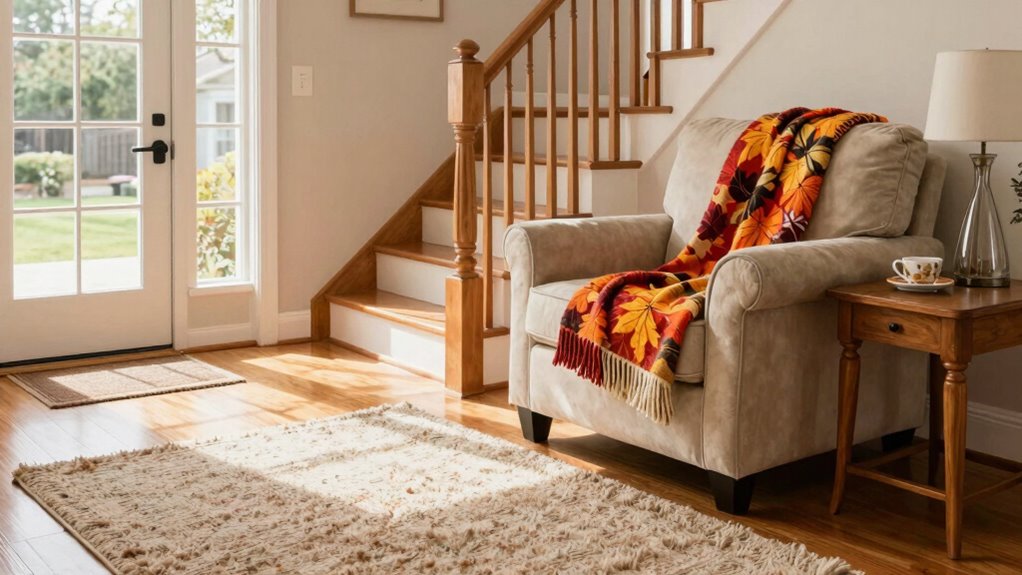
Falls are one of the leading causes of injury among homeowners, especially as we age. You might not realize how medication effects can increase your fall risk, as some medications cause dizziness or impair coordination. Being aware of these effects helps you manage your safety. Your footwear choices also play an essential role; shoes with slippery soles or inadequate support can make walking hazardous, especially on uneven surfaces. Proper footwear can greatly reduce your chances of slipping or tripping. As you age, your balance and strength naturally decline, making you more vulnerable to falls. Staying vigilant about medication effects and choosing supportive, non-slip shoes can make a real difference in preventing accidents around your home. Additionally, understanding the importance of biodiversity in natural environments can inspire sustainable practices that create safer, more resilient living spaces. Recognizing how environmental factors impact safety can help homeowners implement better preventative measures in their homes and gardens. Incorporating home safety assessments can further identify hazards before they lead to falls, promoting a safer living environment for everyone. Regularly maintaining outdoor areas and reducing clutter can also contribute to home safety, minimizing trip hazards and creating a more secure environment.
As an affiliate, we earn on qualifying purchases.
How to Identify Fall Hazards in Your Home
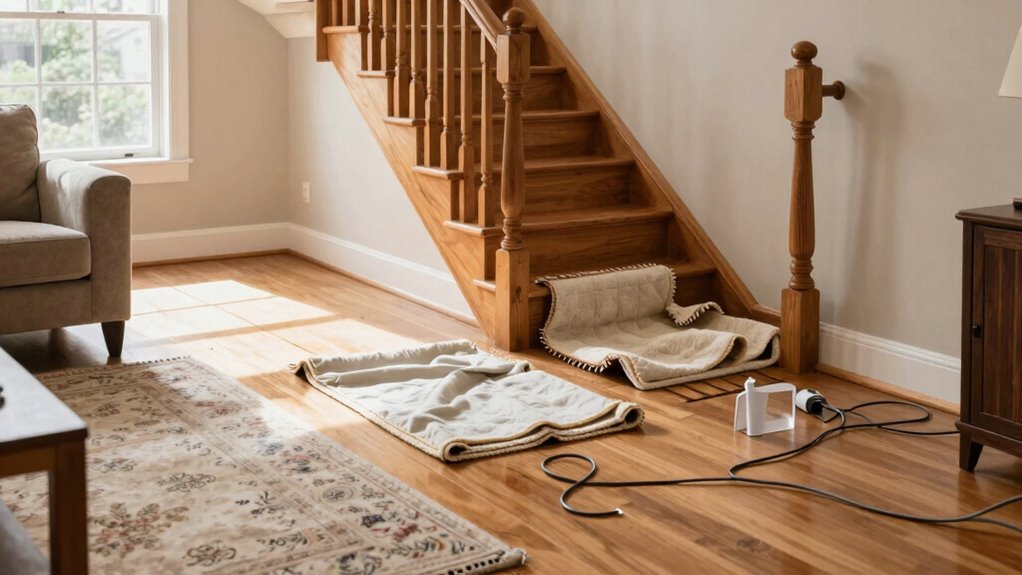
To spot fall hazards in your home, start with a thorough visual inspection of common problem areas like stairs, bathrooms, and hallways. Look for uneven surfaces, loose rugs, clutter, and poor lighting that could cause you to trip. Addressing these hazards promptly can make your home safer and help prevent falls. Incorporating wellness items such as non-slip mats and proper lighting solutions can further reduce the risk of falls. Additionally, understanding home safety principles can guide you in making effective improvements. Being aware of fall prevention strategies can also help you identify potential dangers before an accident occurs. Regularly maintaining your home environment and staying informed about personal well-being can significantly contribute to fall risk reduction. Educating yourself about child development resources can also help you create safer spaces for all ages.
Common Hazard Areas
Have you ever stopped to contemplate which areas in your home might pose a fall risk? Common hazard areas include cluttered walkways, uneven flooring, and poorly arranged furniture. These can trip you up or cause slips, especially if furniture isn’t positioned carefully. Outdoor hazards, like uneven pathways, loose stones, or wet surfaces, also increase fall risk. To help you spot problem spots, here’s a quick guide:
| Area | Hazard Example | Prevention Tip |
|---|---|---|
| Indoor | Cluttered hallways | Keep pathways clear |
| Furniture | Unsecured rugs or furniture | Use non-slip pads |
| Outdoor | Slippery decks or steps | Add handrails and fix uneven surfaces |
Being aware of home hazards and how they contribute to falls can significantly improve safety. Recognizing potential fall risks early can help you implement preventative measures before accidents occur. Additionally, understanding common hazard areas allows homeowners to prioritize safety improvements effectively. By regularly inspecting these areas, you can identify hazards before they lead to an accident.
Visual Inspection Tips
Performing a visual inspection of your home is one of the most effective ways to spot potential fall hazards before they cause an accident. Start by checking areas with decorative walls—look for uneven surfaces, loose fixtures, or protruding nails that could cause trips. Examine your windows for safety; guarantee they open and close smoothly, and install sturdy locks or window guards to prevent falls. Look at the flooring, especially near doorways and staircases, for loose rugs or worn-out carpet edges. Clear pathways of clutter, cords, or other obstacles. Pay attention to lighting—guarantee all areas are well-lit, especially stairwells and hallways. Regular visual checks help you identify hazards early, making your home safer and reducing fall risks effectively. Additionally, reviewing E-bike regulations in your area can ensure outdoor safety, preventing accidents both inside and outside your home.
As an affiliate, we earn on qualifying purchases.
Simple Fixes to Make Stairs and Floors Safer
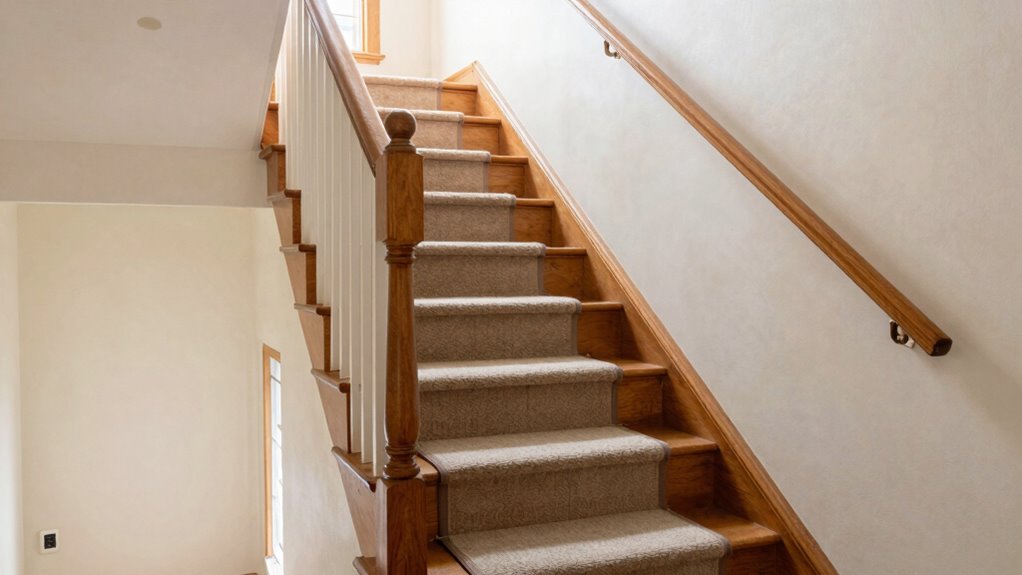
Installing sturdy handrails along stairs and securing loose floorboards are simple yet effective steps to reduce fall risks at home. Proper rug placement is vital; ensure rugs lie flat with non-slip backing or securing edges to prevent tripping. For stairs, check stair height consistency; uneven steps can cause missteps. If your stairs feel uneven or creaky, consider professional repairs. Keep walkways clear of clutter, and avoid loose or frayed carpets. Use non-slip treads on slippery surfaces and install grab bars where needed. Regularly inspect floors for loose tiles or boards and fix any hazards promptly. Conducting home safety inspections can help identify additional risks before accidents occur. Incorporating flooring safety measures, such as anti-slip coatings, can further enhance stability. These straightforward fixes make your stairs and floors safer, helping you prevent falls before they happen. Small adjustments now can greatly improve your home’s safety. Incorporating home safety measures like compact storage for safety equipment can also help keep walkways clear and hazards minimized.
As an affiliate, we earn on qualifying purchases.
How Good Lighting Prevents Falls
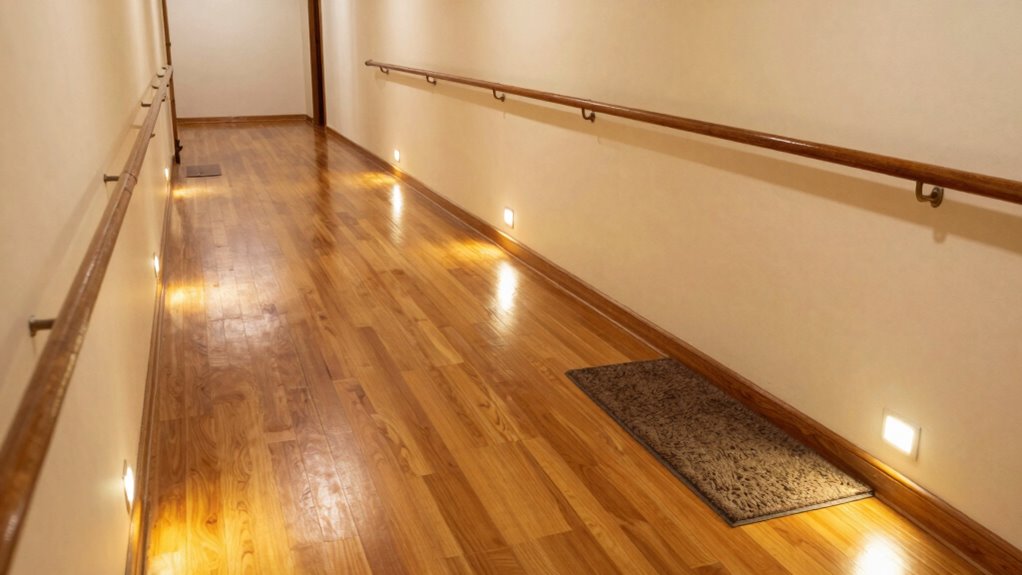
Did you know that good lighting can considerably reduce the risk of falls at home? Proper ambient illumination guarantees your entire space is evenly lit, minimizing shadows that can cause missteps. Brightening hallways, staircases, and entryways makes it easier to see potential hazards. Task lighting is equally important; use focused lights in areas like the kitchen, bathroom, and near steps to illuminate where you’re working or moving. Avoid dim or uneven lighting, which can obscure obstacles or create false shadows. Installing brighter bulbs or adding additional fixtures can make a significant difference. When your surroundings are well-lit, you’re less likely to trip or stumble, especially at night or in unfamiliar areas, making your home safer and more accessible. Proper lighting design is essential for creating a safer environment. Additionally, understanding the role of lighting quality can help you choose the best fixtures and bulbs for your space, ensuring optimal visual clarity. Ensuring your lighting setup aligns with lighting standards can further enhance safety and performance in your home.
Must-Have Safety Devices for Fall Prevention
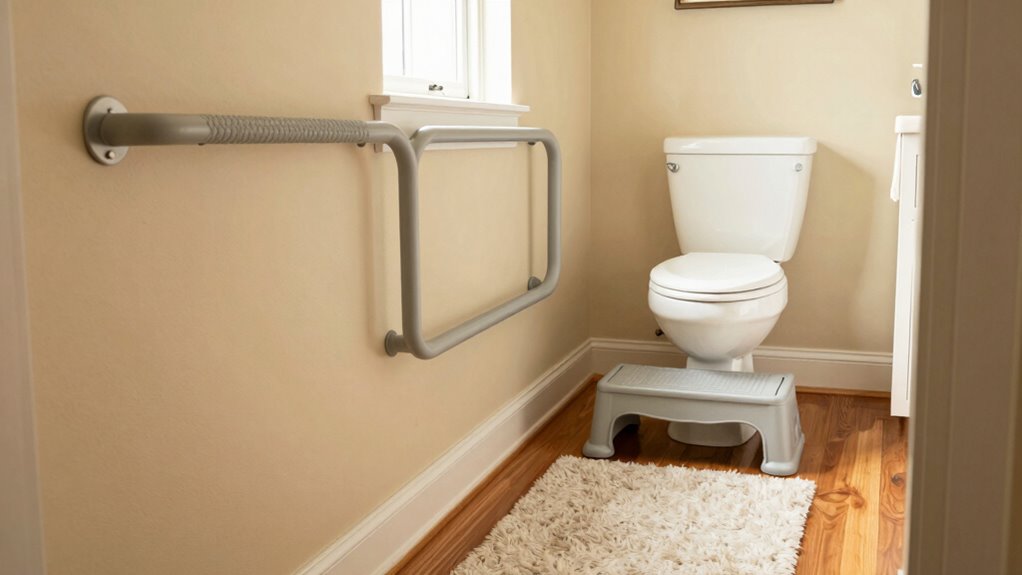
To prevent falls at home, you should consider essential safety devices like grab bars and non-slip mats. Installing support features such as handrails on stairs and in bathrooms adds an extra layer of safety. These simple upgrades can make a big difference in reducing fall risks. Additionally, ensuring proper lighting and keeping walkways clear are important home safety measures that can further prevent accidents.
Essential Safety Devices
Having the right safety devices in your home can considerably reduce the risk of falls. Smart sensors are a crucial addition, as they can detect movement and alert you or caregivers if a fall occurs or if someone is in distress. These devices can be installed in key areas like bathrooms and stairways for real-time monitoring. Emergency alarms are equally essential; they provide immediate access to help at the push of a button, offering peace of mind. Make sure your emergency alarms are easy to reach and simple to operate, especially in high-risk zones. Combining smart sensors with emergency alarms creates a proactive safety system that responds quickly to accidents, helping you stay safe and independent in your home.
Installing Support Features
Where should you start when it comes to making your home safer? Installing support features is a essential step. These safety devices, like grab bars and handrails, provide stability when you need it most. Support features help prevent falls by giving you something sturdy to hold onto. Consider adding assistive devices in key areas such as bathrooms, stairs, and hallways.
- Feel more confident moving around your home
- Reduce the risk of sudden slips or falls
- Gain peace of mind knowing help is within reach
Tips to Make Your Bathroom Slip-Proof
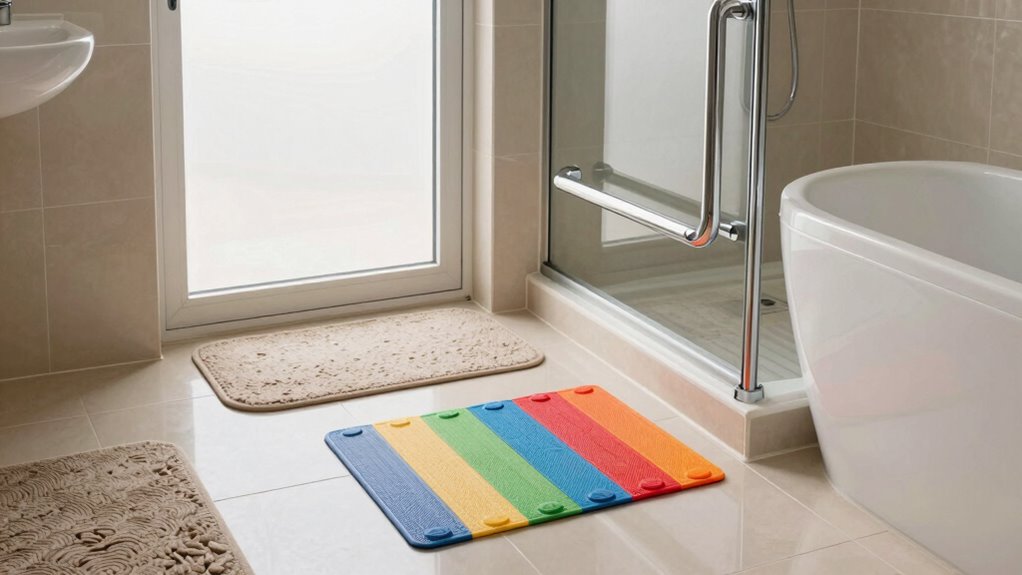
Bathrooms can become very slippery, especially when water and soap mix. To reduce the risk of falls, start by placing non-slip mats inside and outside your shower or bathtub. These mats provide traction and prevent slipping on wet surfaces. Installing grab bars near the shower, bathtub, and toilet gives you sturdy support when standing or sitting, reducing the chance of losing your balance. Make sure the grab bars are securely anchored into the wall for maximum safety. Keep the bathroom floor dry and clean, wiping up any water immediately. Consider using peel-and-stick adhesive strips on tiles or slippery surfaces for added grip. These simple modifications make a significant difference in creating a safer bathroom environment and help prevent falls.
Building a Fall Prevention Routine at Home
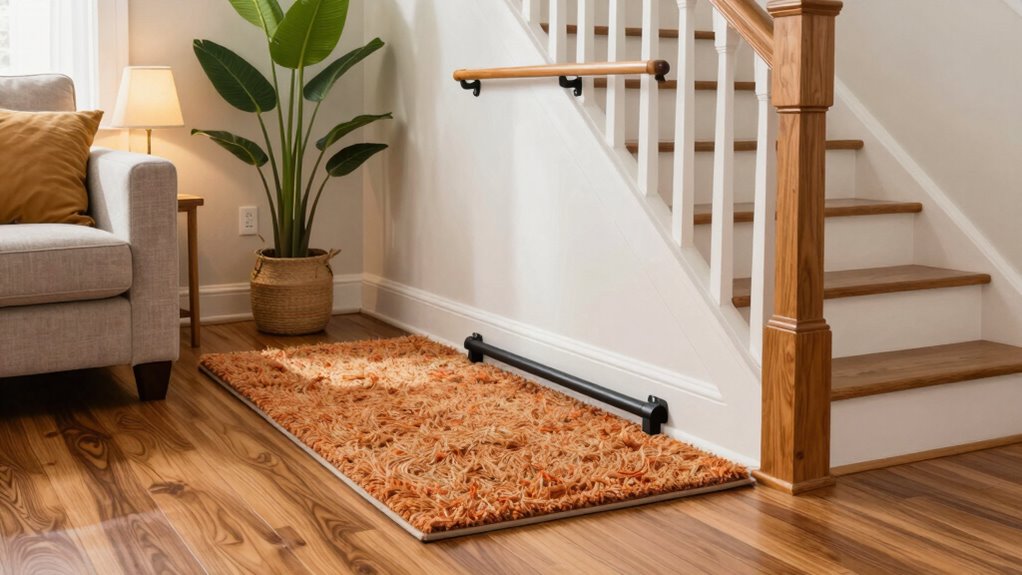
Creating a daily routine focused on fall prevention can greatly reduce your risk of accidents at home. Start by checking that indoor plants are safe—securely anchored and away from walkways to prevent tripping. Plan and practice emergency contact procedures, so help is easy to reach if needed. Incorporate these habits:
Establish daily safety habits like securing plants and practicing emergency plans to prevent falls at home.
- Regularly tidy up clutter, especially near stairs and walkways, to avoid trips and falls
- Guarantee indoor plants are stable and placed where they won’t cause hazards
- Keep emergency contacts visible and accessible, and review your plan regularly
Building this routine creates a safer environment and peace of mind. Consistent habits, like indoor plant safety checks and emergency planning, make fall prevention second nature.
Frequently Asked Questions
Are Fall Prevention Measures Suitable for All Age Groups?
Yes, fall prevention measures are suitable for all age groups, as they promote safety and reduce risks. For senior mobility and elderly safety, these measures are especially essential, but younger individuals can benefit too, especially in homes with children or those with health concerns. Implementing simple steps like secure rugs, proper lighting, and handrails helps everyone stay safe and prevent falls, regardless of age.
How Often Should I Reassess My Home’s Safety?
Have you thought about how often your home’s safety needs rechecking? You should reassess your safety at least every six months, especially after major changes like remodeling your floor plan or lighting improvements. Regularly inspecting for hazards helps prevent falls. Keep an eye on clutter, loose rugs, and lighting quality, ensuring your home remains a safe environment. Don’t wait until an accident occurs—staying proactive is key.
Can Fall Prevention Devices Be Hidden or Discreet?
Yes, fall prevention devices can be discreetly installed, offering you hidden solutions that blend seamlessly into your home’s design. You can opt for discreet installations like low-profile grab bars, beveled rugs, or wall-mounted handrails that remain hidden until needed. These options help prevent falls without disrupting your home’s aesthetic, giving you peace of mind knowing safety features are in place while maintaining a clean, unobtrusive look.
What Are Cost-Effective Ways to Improve Home Safety?
Ever wondered how to boost home safety without breaking the bank? You can start by ensuring furniture stability—tighten loose legs and secure heavy pieces to the wall. Also, upgrade lighting enhancements, like installing brighter bulbs or adding nightlights in hallways and bathrooms. These simple, cost-effective measures reduce trip hazards and improve visibility, making your home safer for everyone without a hefty investment. Wouldn’t you want your space to be safer today?
How Does Medication Affect Fall Risk at Home?
Medication can increase your fall risk at home due to side effects like dizziness, drowsiness, or balance issues. Drug interactions may also amplify these effects, making you more prone to falls. To minimize this risk, always follow your doctor’s instructions, discuss potential side effects, and regularly review your medications. Staying aware of how medications affect you helps you maintain better balance and safety around your home.
Conclusion
Think of your home as a fortress, and each safety measure as a sturdy wall or a vigilant guard. By identifying hazards, installing safety devices, and creating routines, you’re building a fortress that keeps falls at bay. Every step you take to improve your home’s safety is like reinforcing the walls—making it stronger and more secure. With these precautions, you’re not just living—you’re safeguarding your castle for years to come.
Fall Picks
fall essentials
As an affiliate, we earn on qualifying purchases.