
TL;DR

Get smart everyday buys delivered free with Prime
- Fast, free delivery on millions of items
- Prime Video, Amazon Music and more included
- Member-only deals all year
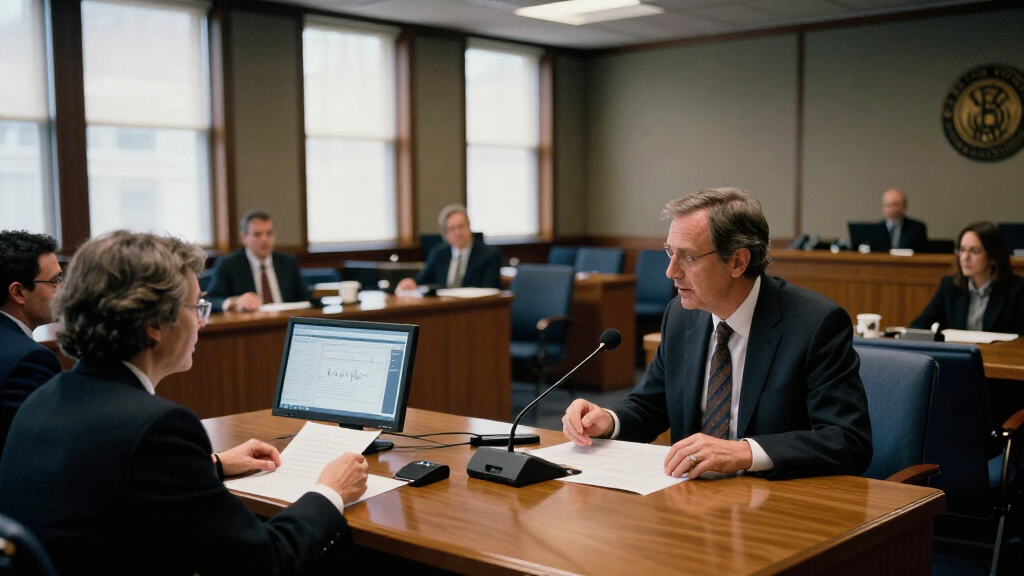
Reserve Bank of Australia Governor Michele Bullock told a Senate committee on 28 October that inflation is likely to be higher than the RBA forecast in August. She cited renewed Middle East conflict, higher global energy costs and continuing domestic capacity pressures; the cash rate target had risen by 100 basis points so far in 2026.
In her opening statement to the Senate Economics Legislation Committee’s supplementary budget estimates hearing, Bullock said inflation had climbed back above the RBA’s 2–3 per cent target range after falling into it for a period during 2024 and 2025. Year-ended inflation had recently been around 3½ to 4 per cent, she said. The bank’s monetary policy objective is to return inflation to the midpoint of its target range while taking account of its full-employment objective.
The RBA’s August forecasts had indicated inflation would return to around the midpoint only in late 2027. Since those forecasts were prepared, the Middle East conflict had escalated again and global energy prices had risen well above the assumptions used in them, Bullock said. Higher fuel and transport costs could add to inflation directly and indirectly if businesses pass increased expenses on to customers.
Bullock also cited elevated short-term inflation expectations, supply-constrained technology prices linked to the global AI boom, and weather-related pressure on some agricultural prices. She said these international factors were adding to—not replacing—domestic inflationary pressure. Although growth was slowing as expected and unemployment had risen somewhat more than the RBA anticipated, she said underlying price pressures suggested the labour market and economy remained tighter than previously judged.
Higher Prices Complicate Rate Decisions
The governor’s assessment signals that the RBA sees a more difficult path back to its inflation target than it did in August. Higher energy prices can feed into household fuel bills and business costs, while domestic demand and limited productive capacity can keep pressure on prices even as economic growth slows. That mix matters to households and employers because it may prolong the period of elevated inflation and affect the timing of future interest-rate decisions.
Bullock said monetary policy operates with a lag, so the full effect of recent rate increases has not yet been felt in economic activity. The bank must weigh that delayed impact against the risk that inflation remains above target for too long and becomes embedded in price- and wage-setting. Her statement did not announce a new rate decision; it set out the economic conditions and risks the board is monitoring.
The governor also pointed to weak productivity growth as a longer-running constraint. In her account, low productivity limits how quickly the economy can expand without adding inflationary pressure, with consequences for Australians’ real spending power. The statement therefore connected the near-term price outlook to a broader challenge for sustainable growth.
Popular right now

Bose QuietComfort True Wireless Earbuds with Active Noise Cancellation, Black

De'Longhi Magnifica Evo Automatic Espresso Machine with Milk Frother – Silver

Samsung 48-Inch S90H OLED 4K Smart TV (2026)
As an affiliate, we earn on qualifying purchases.
Inflation Reversed After Earlier Decline
Inflation reached a peak of 7.9 per cent at the end of 2022, according to Bullock, before falling following substantial monetary tightening during 2022 and 2023. It then spent a period within the RBA’s target range in 2024 and 2025, before rising again in the second half of 2025. The recent return above target prompted the board to focus on the risk that inflation could remain elevated.
The committee hearing followed its previous appearance by the RBA in June. Since then, the board raised the cash rate target by 25 basis points; Bullock said that brought the total increase for 2026 to 100 basis points. The August Statement on Monetary Policy was the bank’s most recent published forecast cited in the opening statement, and it projected a return to around the target midpoint in late 2027.
The RBA has responsibilities beyond setting interest rates, Bullock said. These include supporting financial stability and a reliable, efficient and competitive payments system, providing banking services to government agencies, and distributing secure banknotes. She said she would also update the committee on payments and cash distribution.
“The full effects of recent rate increases are yet to be felt on domestic activity.”
— Michele Bullock, RBA governor
Updated Forecasts And Rate Path
The statement did not provide a revised numerical inflation forecast or specify how much higher inflation might be than the August projection. It also did not indicate whether the board plans to raise rates again, or when it would make its next decision. Bullock described some international and domestic upside risks as having materialised or beginning to materialise, but the statement did not quantify their separate contributions.
The eventual effect of the Middle East conflict on Australian economic activity remains uncertain. Bullock said the impact had been relatively modest so far, while energy prices had risen sharply. The scale and duration of those price effects, businesses’ decisions about passing on costs, and the course of domestic demand will shape the outlook. The supplied statement also does not give further detail on the payments-system and cash-distribution update Bullock said she would present at the hearing.
Committee Questions And RBA Monitoring
Bullock and her RBA colleagues appeared to answer committee members’ questions at the supplementary budget estimates hearing. The board will continue to assess inflation, demand, labour-market conditions and the effects of earlier rate changes as new information arrives. The opening statement does not set out a timetable for a new forecast or a future rate move, so the next policy decision and the bank’s updated numerical outlook remain to be confirmed.
For readers tracking the outlook, the key developments to watch are global energy prices, underlying domestic inflation and whether growth slows enough to ease capacity pressures. The committee hearing may also provide further detail on the RBA’s payments and cash responsibilities, which Bullock said were part of her planned remarks.
Key Questions
What did the RBA governor tell the Senate committee?
Michele Bullock said inflation is likely to be higher than the RBA’s August forecast, citing higher global energy prices and continuing domestic capacity pressures.
How much had the cash rate target risen in 2026?
Bullock said the target had increased by a cumulative 100 basis points during 2026 by the time of the hearing. Since the committee’s June hearing, the board had raised it by 25 basis points.
What is the RBA’s inflation target?
The RBA aims to return inflation to the midpoint of its 2–3 per cent target range, while also taking its full-employment objective into account.
Did Bullock announce another rate rise?
No. Her opening statement described the economic outlook and the recent rate increase but did not announce a new rate decision or give a timetable for another change.
Why does the RBA expect inflation to be higher than forecast?
Bullock cited the renewed Middle East conflict and higher energy prices, alongside domestic capacity pressures, elevated short-term inflation expectations and some higher global technology and agricultural costs.
Source: bis.org