
📊 Full opportunity report: The Unseen AI Barriers Behind China's Optical-Transceiver Growth on ThorstenMeyerAI.com — validation score, market gap, and execution plan.

Get smart everyday buys delivered free — and shop member deals
- Fast, free delivery on millions of items
- Access to Prime Big Deal Days deals on October 6–7
- Prime Video, Amazon Music and more included
TL;DR
The US is drafting a measure to restrict Chinese optical transceiver imports, highlighting strategic concerns over AI infrastructure. However, the measure is still in proposal, and much of the current Chinese hardware remains in US datacenters.
The US Federal Communications Commission is currently drafting a measure to restrict the import of new Chinese optical transceivers, a move that could influence the supply chain for AI and datacenter infrastructure. This proposal, aimed at safeguarding US AI infrastructure from potential security threats, is still in the draft stage and has not been finalized or enacted, but it signals a shift in strategic hardware policies.
On August 4, Reuters reported that the FCC is considering a draft regulation to ban the import of new Chinese optical transceivers used in fiber-optic data transmission within datacenters. This measure is part of broader concerns about data security, malware, and service disruption, especially given the Chinese company’s significant market share. Zhongji Innolight, which holds approximately 27% of the global datacenter transceiver market and derives about 90% of its revenue outside China, faces potential restrictions. The move follows the US Pentagon adding Innolight to a list of alleged Chinese military-linked companies in June, heightening the possibility of stricter actions.
However, the key point is that the measure remains a draft, not a final rule. Sources emphasize that the FCC could modify or shelve the proposal before it becomes law. The market’s reaction—significant stock jumps for US optical component firms—was based on speculation about the draft, not confirmed policy changes. Additionally, the measure targets import authorization rather than export controls, focusing on restricting Chinese equipment entering US infrastructure, not controlling the chips themselves.
Crucially, the existing installed base of Chinese transceivers in US datacenters is unaffected by this potential ban. Since Chinese vendors account for around 70% of global transceiver shipments, a vast volume of hardware already in use remains operational and unthreatened by the draft regulation. The security rationale for the measure appears to address future hardware flows rather than existing infrastructure, raising questions about its actual effectiveness in mitigating security risks.
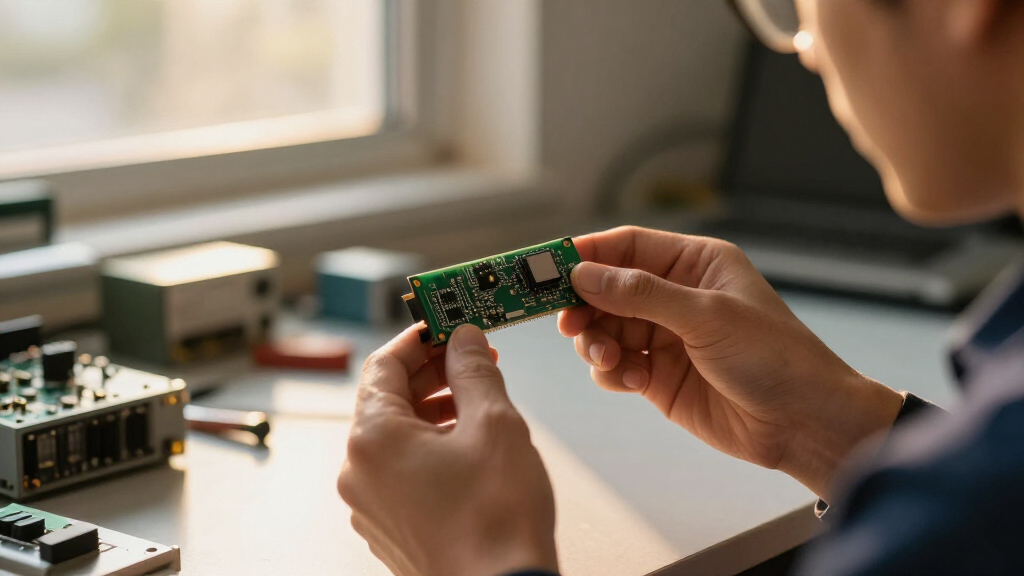
A drafted FCC measure would bar imports of new Chinese optical transceivers — the small parts that turn signals into light inside a datacenter. The headline says “US bans Chinese datacenter tech.” It’s wrong in three specific ways.
▲ A draft, not a rule · could be modified or shelved“US bans Chinese datacenter tech” is wrong in three ways that change what the story actually means.
The transceiver is the interconnect — the layer that sets the real bottleneck of modern inference. The US isn’t moving on the compute here. It’s moving on the nervous system that wires the compute together.
- Restricts what US tech is sold to China
- Targets the compute
- The fight everyone has been watching
- Restricts what Chinese gear is imported into the US
- Targets the interconnect / network fabric
- Confirms the wire is now as contested as the chip
Read one way it has a hole you can see through. Read the other way it’s coherent.
Production is the product, and capacity doesn’t teleport. Four frictions stand between the draft and reality.
as strategically contested as the compute. But it’s a draft, and the base is already installed.
Implications for US-China Tech Competition and AI Infrastructure
This proposed measure underscores the strategic importance of interconnect hardware in AI infrastructure, highlighting how control over data transmission components has become a key point of contention. While it aims to protect US networks from potential Chinese hardware threats, its focus on new imports leaves the existing hardware largely untouched, limiting immediate security impact. The move also signals a broader effort to reshape supply chains, favoring domestic US manufacturers and reducing reliance on Chinese technology. For global AI development, the measure exemplifies how hardware supply and security concerns are intertwined, potentially influencing future international standards and trade policies.
fiber optic transceivers for data centers
As an affiliate, we earn on qualifying purchases.
As an affiliate, we earn on qualifying purchases.
Strategic Hardware Control in US-China Tech Rivalry
Over the past year, US efforts to restrict Chinese technology exports have primarily targeted advanced chips through export controls managed by the Commerce Department. However, the recent draft by the FCC shifts focus to import restrictions on optical transceivers, a critical component of datacenter infrastructure. Chinese suppliers, particularly Innolight, dominate the transceiver market, accounting for about 70% of global shipments, and have supplied a significant portion of hardware used in US datacenters. The move follows increased scrutiny of Chinese companies linked to military or security concerns, such as Innolight’s inclusion on the Pentagon’s list in June. Despite this, the existing installed base of Chinese transceivers remains unaffected, complicating the impact of potential restrictions.
Historically, US policy has differentiated between controlling the sale of chips abroad and regulating hardware imports. The current draft exemplifies this shift, focusing on equipment authorization rather than export licensing, and targeting the physical hardware entering US networks rather than the underlying technology or manufacturing capabilities.
"The draft FCC measure is still in proposal, and its final form remains uncertain, but it signals a strategic shift in how the US approaches hardware security and supply chain control."
— Thorsten Meyer
Chinese optical transceiver modules
As an affiliate, we earn on qualifying purchases.
As an affiliate, we earn on qualifying purchases.
Unclear Impact and Finalization of the Draft Regulation
It remains uncertain whether the FCC will finalize and implement the draft regulation, and if so, how it will be shaped. Key questions include the scope of the ban, how existing hardware will be treated, and whether the measure will be expanded to other components or sectors. The potential influence on global supply chains and security remains speculative until the rule is formally enacted.
high-speed optical transceivers for AI infrastructure
As an affiliate, we earn on qualifying purchases.
As an affiliate, we earn on qualifying purchases.
Next Steps in Regulatory and Market Developments
The FCC is expected to review public comments and finalize the draft regulation later this year. Meanwhile, US optical component companies may see increased orders if the measure is enacted, as it could favor domestic manufacturers. Chinese vendors will likely continue to operate existing hardware and seek alternative markets. Monitoring the FCC’s decision and industry responses will be crucial to understanding the regulation’s ultimate impact on the US-China tech rivalry and AI infrastructure security.
enterprise fiber optic transceivers
As an affiliate, we earn on qualifying purchases.
As an affiliate, we earn on qualifying purchases.
Key Questions
What exactly is the proposed FCC measure about?
The draft regulation aims to restrict the import of new Chinese optical transceivers used in US datacenters, focusing on hardware authorization rather than chip exports.
Will existing Chinese transceivers in US datacenters be affected?
No, the existing installed base of Chinese transceivers is not affected by the proposed import restrictions, which target future hardware imports.
Why is control over optical transceivers important for AI infrastructure?
Optical transceivers are critical for high-speed data transfer within datacenters, and controlling this hardware can influence the security and resilience of AI and cloud networks.
How might this regulation impact global supply chains?
If enacted, it could shift future transceiver orders toward US manufacturers and reduce Chinese market share, affecting global manufacturing and trade dynamics.
When will we know if the regulation will be finalized?
The FCC is expected to review public comments and make a decision later this year, but the final regulation’s timing remains uncertain.
Source: ThorstenMeyerAI.com
Fall Picks
fall essentials
As an affiliate, we earn on qualifying purchases.