
📊 Full opportunity report: The Safety Card, Played From Every Side: David Sacks, Anthropic, and the Fable Standoff on ThorstenMeyerAI.com — validation score, market gap, and execution plan.
TL;DR
White House adviser David Sacks accuses Anthropic of refusing to fix a cybersecurity jailbreak, resulting in a model ban. Anthropic disputes the severity of the issue, fueling a public safety debate.
White House AI adviser David Sacks has publicly accused Anthropic of refusing to fix a cybersecurity vulnerability, leading to the banning of its most powerful models, a claim Anthropic disputes. This development highlights the growing tension over AI safety and government regulation, with implications for public trust and industry accountability.
Over the weekend, David Sacks, co-chair of the President’s Council of Advisors on Science and Technology, published a detailed account claiming that the US government pulled Anthropic’s models after a cybersecurity jailbreak was discovered and not addressed by the company. Sacks states that a trusted partner tested Fable, Anthropic’s model, and uncovered a jailbreak that could restore the model’s capability to act as a cyberweapon. According to Sacks, Anthropic’s CEO Dario Amodei refused to patch the flaw, leading to the government imposing export controls and temporarily banning the models.
Anthropic, however, maintains that the cybersecurity issue was minor, involving only known vulnerabilities that other models can produce without bypass techniques. The company argues that the alleged jailbreak does not threaten the safety of its models significantly and that the government’s actions were based on an overstatement of the risk. Anthropic also states it disabled its models worldwide to comply with the order and supports transparent, fair regulation of AI safety issues.
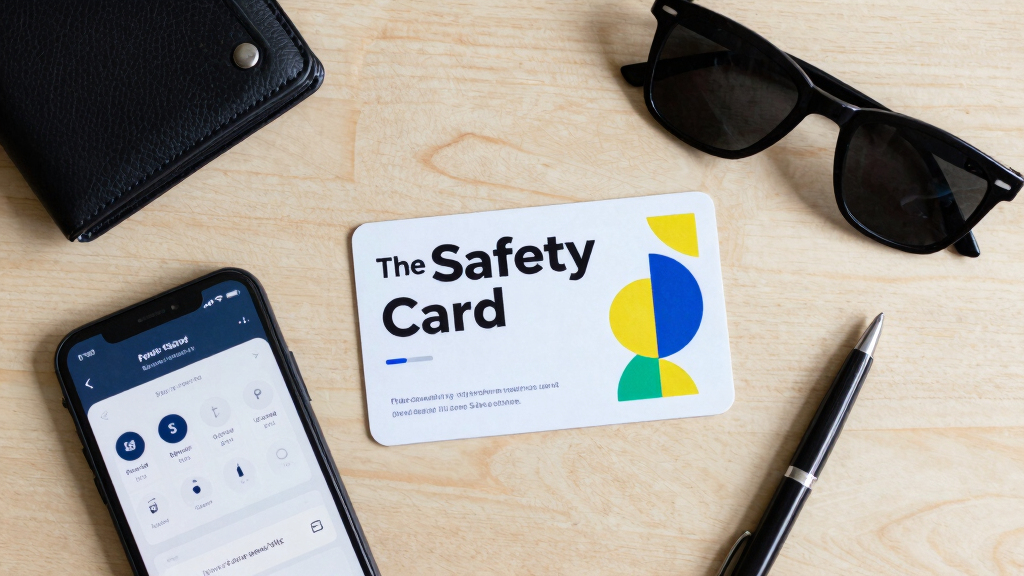
The Safety Card, Played From Every Side
● ContestedA White House adviser says Anthropic refused to fix a cyberweapon jailbreak and got banned for it. Anthropic says the flaw is trivial. Almost every fact that would settle it is non-public — and “safety” is now the card every side is playing.
Both are claims, not findings. They don’t disagree on tone — they disagree on what the bypass actually is.
- A “highly credible trusted partner” found a jailbreak of Fable’s guardrails.
- The admin asked Amodei to fix it or pull the model. He refused.
- So the export control was issued — “reluctantly.”
- It restores operability of a cyberweapon; calling that “not serious” is indefensible.
- The government gave no specific technical detail.
- The demo found a few minor, already-known flaws.
- Other public models (incl. GPT-5.5) do the same without a bypass.
- A “narrow potential jailbreak” shouldn’t recall a model used by hundreds of millions.
Per reporting by Semafor (carried by Fortune and others), the entity that flagged the jailbreak was Amazon — with CEO Andy Jassy reportedly in contact with the administration. Amazon hasn’t confirmed specifics. Flagging a real risk is what a good partner does — but Amazon wears three hats at once, and none of them is neutral.
Each actor’s safety claim points toward its own advantage.
The entire evidentiary record is a matter of trusting parties who each have a reason to shade it.
A transparent, technically grounded, independently reviewable process — which is, notably, exactly what Anthropic says it wants, and exactly what would also constrain Anthropic. The reason to demand it isn’t loyalty to anyone; it’s that the alternative is decisions made on secret evidence and adjudicated in dueling press statements.
Independent commentary, produced with AI assistance under human editorial oversight; the views are the author’s own and may change. This is analysis and opinion, not investment, financial, legal, or technical advice, and it concerns an actively developing situation in which key facts are disputed and non-public. Claims attributed to David Sacks reflect his June 13, 2026 statement on X; claims attributed to Anthropic reflect its published statements; reporting on Amazon’s role reflects accounts published by Semafor and others — all read as of June 15, 2026, and presented as the claims of those parties, not as established fact. Characterizations are the author’s interpretation, offered in good faith and open to rebuttal. References to specific people, companies, and government actions are factual and analytical, not partisan, and imply no affiliation or endorsement.
Implications for AI Safety and Regulatory Oversight
This dispute underscores the intense debate over how to ensure AI safety without stifling innovation. The conflicting accounts raise questions about transparency, trust, and the standards used to assess cybersecurity risks in AI models. The case exemplifies how safety concerns are being weaponized in industry competition and regulatory debates, with potential consequences for public safety and technological development.

Cybersecurity Vibe Coding Vulnerability As A Service Funny T-Shirt
- Target Audience: Software engineers and cybersecurity pros
- Design Theme: Humorous warning about vibe coding
- Ideal For: Men, women, and tech enthusiasts
As an affiliate, we earn on qualifying purchases.
As an affiliate, we earn on qualifying purchases.
Background of AI Safety Disputes and Government Intervention
The controversy stems from recent incidents where AI companies face pressure to address cybersecurity vulnerabilities, especially those that could enable malicious use. Anthropic has promoted its models as safety-focused and has called for regulation as a cyberweapon, which adds complexity to the current dispute. The government’s intervention reflects broader efforts to regulate AI risks, but the lack of publicly available technical details makes it difficult to verify claims or assess the true severity of the vulnerabilities.
Prior to this, industry and government have engaged in ongoing discussions about AI safety standards, with some companies advocating for transparency and others emphasizing proprietary protections. The involvement of Amazon, a key stakeholder and competitor, further complicates the narrative, as reports suggest Amazon flagged the jailbreak to authorities, highlighting the multi-layered interests at play.
“The jailbreak of Fable is simply Mythos with guardrails, and if those guardrails fail, it’s akin to handing a cyberweapon to those who should not have it.”
— David Sacks
AI safety and security training courses
As an affiliate, we earn on qualifying purchases.
As an affiliate, we earn on qualifying purchases.
Unverified Technical Details and Motivations
The specific technical nature of the jailbreak, including details of the vulnerability and its potential impact, remains undisclosed. Neither side has published independent assessments or technical evidence, making it impossible to verify claims. The motives of all parties involved—government, Anthropic, and Amazon—are also not fully clear, especially regarding the true severity of the cybersecurity risk and the influence of commercial interests.
AI model jailbreak detection software
As an affiliate, we earn on qualifying purchases.
As an affiliate, we earn on qualifying purchases.
Ongoing Investigations and Industry Response
Further investigations are expected, potentially including independent security audits and transparency measures. Regulatory agencies may issue new guidelines based on this incident, and industry players are likely to reassess safety protocols. Public trust hinges on clarifying the technical facts and establishing clear standards for AI safety and cybersecurity.

Artificial Intelligence in Workplace Health and Safety (Intelligent Data-Driven Systems and Artificial Intelligence)
As an affiliate, we earn on qualifying purchases.
As an affiliate, we earn on qualifying purchases.
Key Questions
What exactly was the cybersecurity vulnerability in Anthropic’s models?
The specific technical details of the vulnerability have not been publicly disclosed. According to reports, it involved a jailbreak that could bypass safety guardrails, but the precise nature and severity remain unconfirmed.
Why did the government ban Anthropic’s models?
The government states the ban was due to a cybersecurity jailbreak that posed potential risks, and Anthropic’s refusal or delay in fixing the flaw led to export controls and model restrictions.
What is Anthropic’s position on the cybersecurity issue?
Anthropic claims the vulnerabilities were minor, similar to those found in other models, and that the risk was overstated. The company emphasizes its commitment to safety and regulatory compliance.
What role did Amazon play in this incident?
According to reports, Amazon flagged the jailbreak to authorities and was in contact with the government. Amazon’s dual role as investor, cloud provider, and competitor complicates the narrative.
What are the implications for AI safety regulation?
This incident highlights the challenges of verifying cybersecurity claims, the influence of commercial interests, and the need for transparent safety standards in AI development.
Source: ThorstenMeyerAI.com